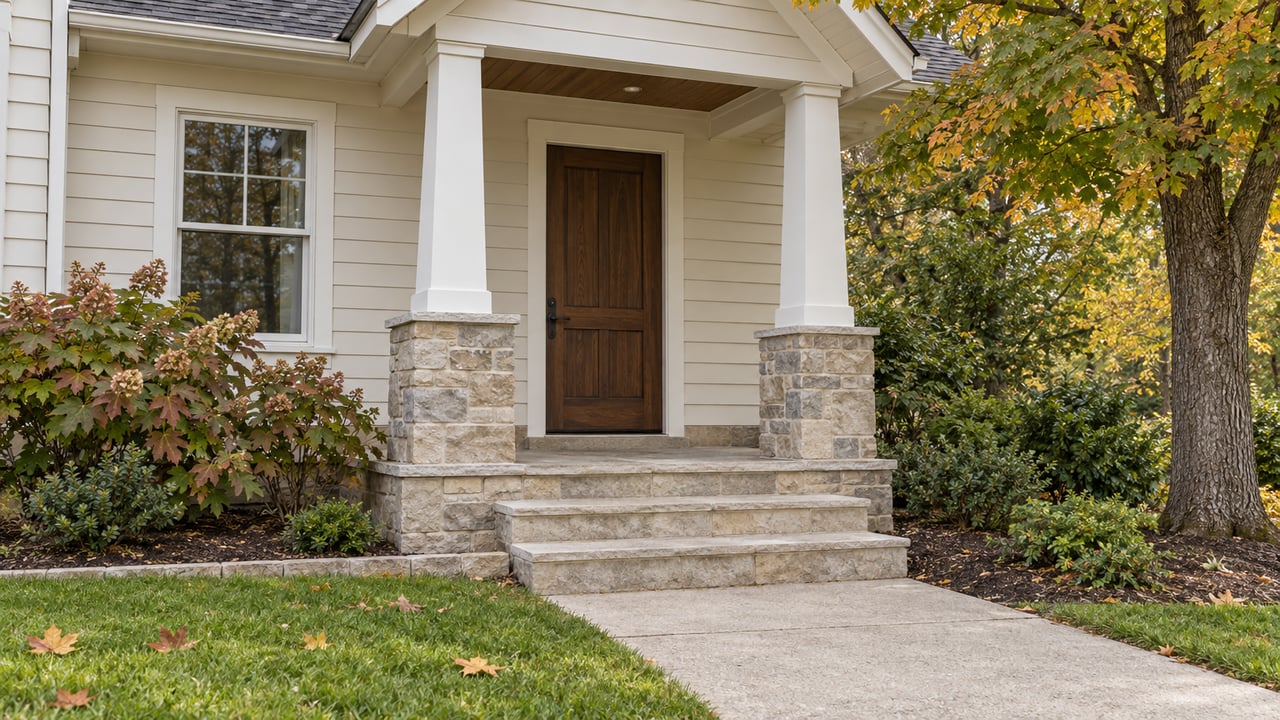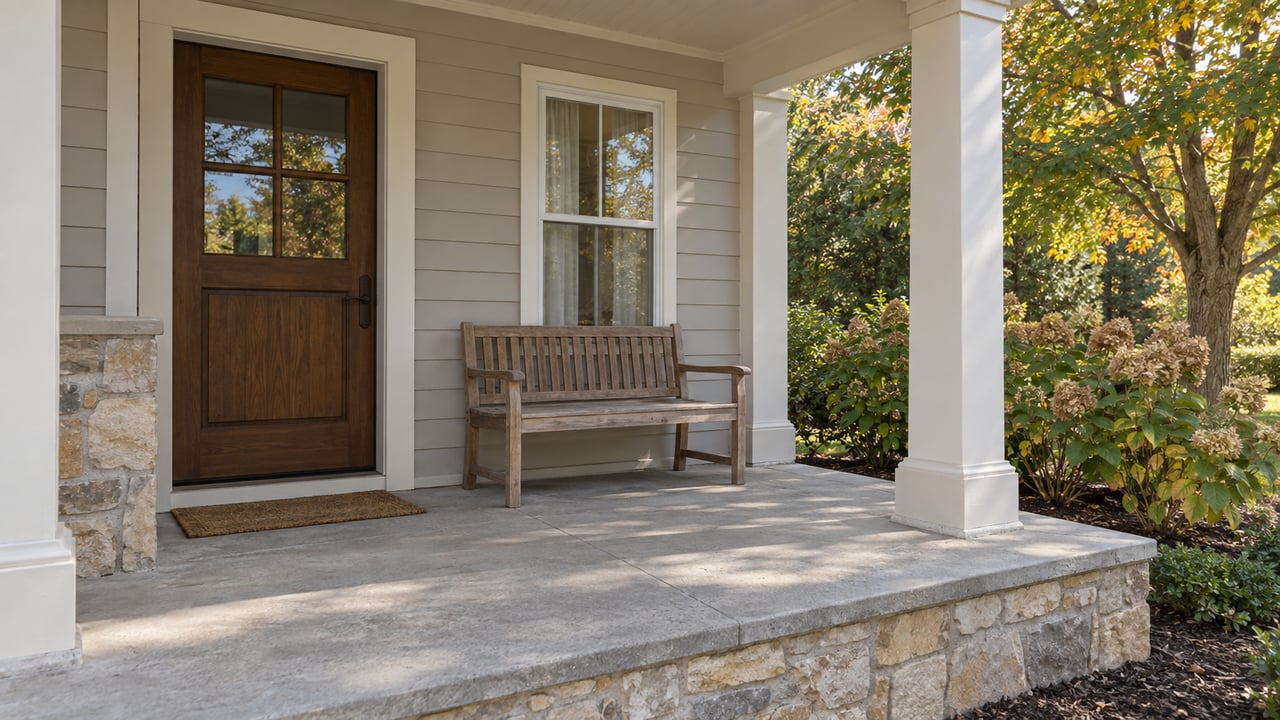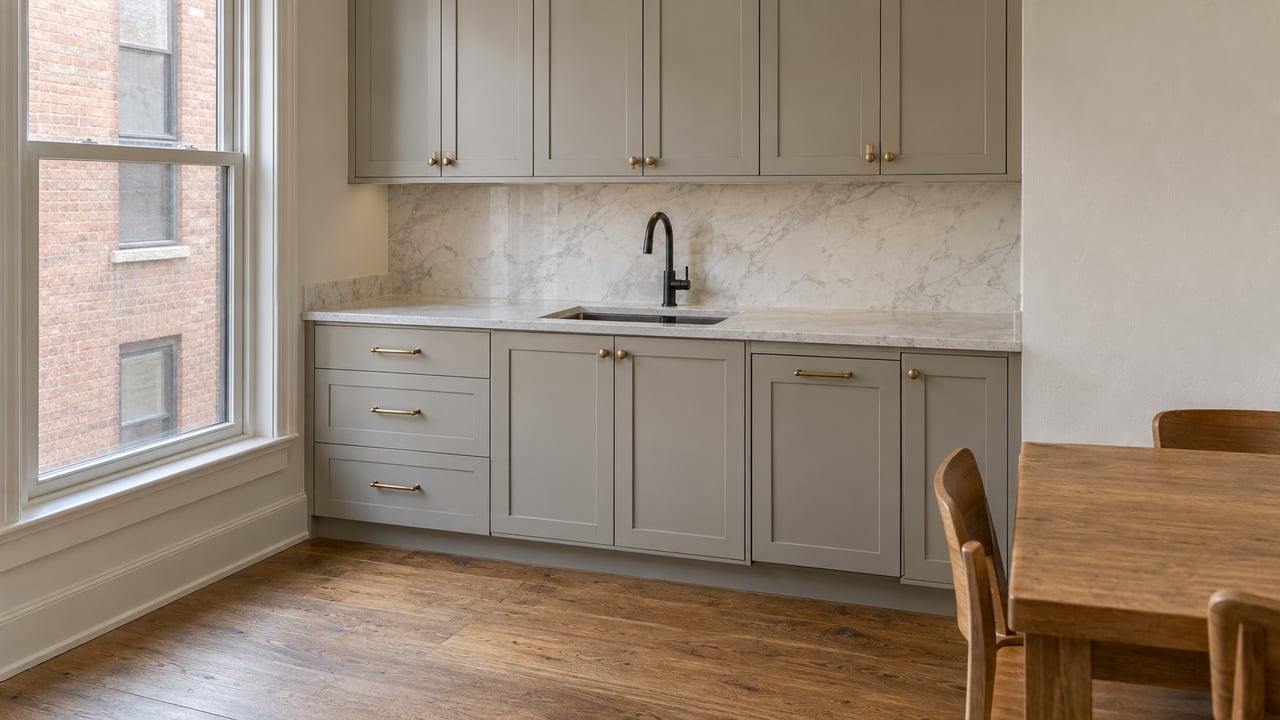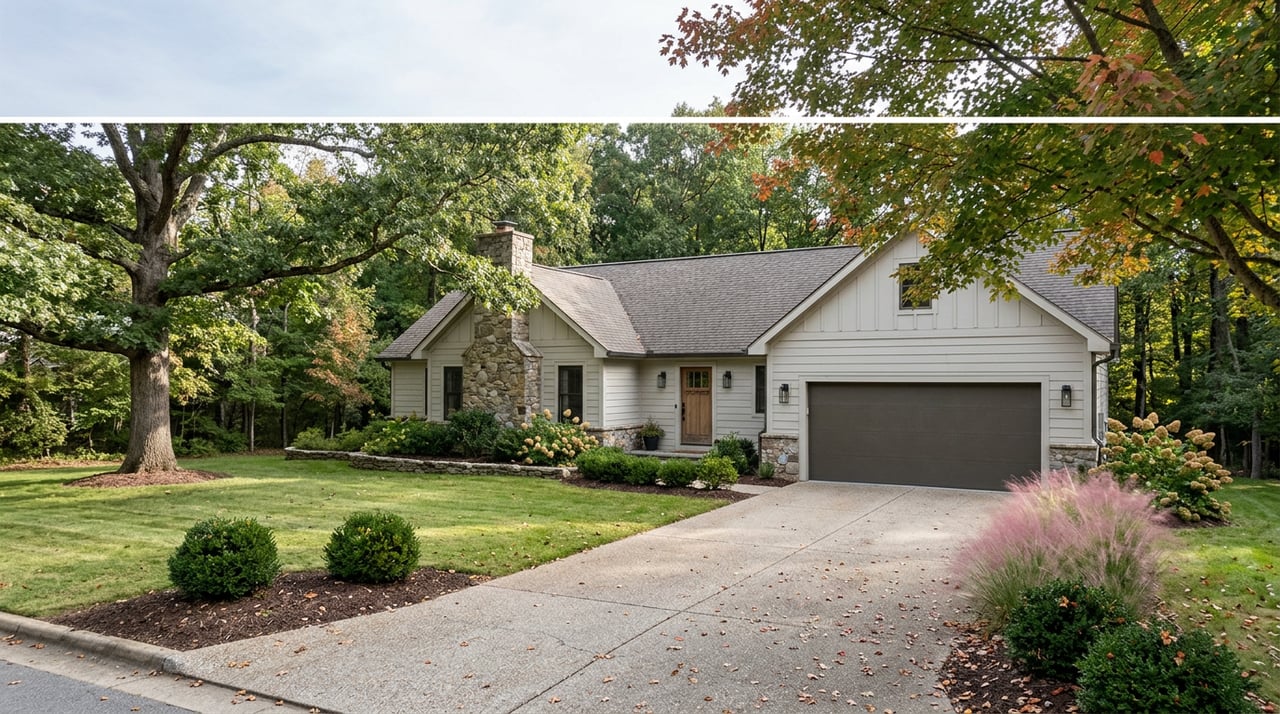
What if your next chapter does not start by leaving Green Mountain behind, but by using it as the foundation for a second home on the Gulf Coast? If you love the privacy, trees, and breathing room that draw so many buyers to this part of South Huntsville, a coastal retreat can feel like a natural extension of the lifestyle you already value. The key is knowing how to plan the move, the money, and the timing before you fall in love with a waterfront view. Let’s dive in.
Why Green Mountain Makes a Strong Home Base
Green Mountain stands out as a landmark area on the southeast edge of Huntsville, known for preserved forest and watershed land. The Madison County Nature Trail adds to that appeal with a lake, chapel, covered bridge, and wooded walking paths.
If you already own here, you likely understand the value of privacy, natural surroundings, and a stable primary residence. South Huntsville also offers access to outdoor amenities like Aldridge Creek Greenway and Ditto Landing, while local slope development rules are designed to preserve mountainside character, tree cover, and larger lots.
That matters when you start thinking about a second property. For many buyers, a Green Mountain home is the grounded, everyday residence, while a Gulf Coast property becomes the lifestyle layer that adds beach access, boating, fishing, and time on the water.
Why the Gulf Coast Fits the Vision
On the coast, the draw is easy to understand. The Florida Panhandle is widely associated with beaches, boating, fishing, and water sports, and it is considered a major boating destination.
For a Green Mountain homeowner, that creates a compelling contrast. You can keep your wooded retreat in Huntsville and add a place built around sun, shoreline, and waterfront living.
This kind of move is not just about owning two properties. It is about creating a lifestyle that works in two settings, with one home supporting your daily routine and the other serving as a getaway, gathering place, or future retirement option.
Plan the Purchase as a True Second Home
Before you start shopping, it is important to define what the coastal property will be. If you want second-home financing, the property generally must be a one-unit dwelling suitable for year-round occupancy, used by you for part of the year, and under your exclusive control.
That means it generally cannot be structured like a timeshare, a managed rental arrangement, or a property treated as a full rental investment. If your long-term goal includes heavy rental use, a rental pool, or management agreements that limit your control, the property may need to be evaluated differently from the beginning.
This is one of the most important planning steps in a cross-market purchase. The way you intend to use the home affects financing, taxes, and even the type of inventory that makes sense to consider.
Can rental income help you qualify?
In general, rental income from a principal residence or second home cannot be used to qualify you for a conforming second-home loan. If you are hoping the beach house will offset monthly carrying costs, that expectation should be discussed early with your lender.
Lenders typically look at your income, assets, employment, savings, and monthly debt obligations. In other words, you want to be sure the numbers work on their own before you count on future seasonal income.
Decide Whether to Buy Before You Sell
If your Green Mountain home is staying in place as your primary residence, the decision may be simple. But if the coast is part of a broader relocation plan, timing becomes much more important.
Some buyers choose to buy first and sell later. The CFPB describes bridge loans as a tool that can help you buy a new dwelling while planning to sell your current one within 12 months.
That option can create flexibility, but it also adds another layer of planning. You need a clear view of your cash needs, monthly obligations, and how long you expect to hold both properties at once.
When this matters most
This question becomes especially important if you are:
- Moving from a primary home in Green Mountain to a coastal primary home later
- Trying to avoid a rushed sale in Huntsville
- Buying a coastal property in a competitive market where timing matters
- Coordinating closings across two states
A well-planned timeline can reduce stress and help you make stronger decisions on both sides of the transaction.
Understand the Tax Difference Between One Home and Two
Owning a primary residence and a second home can have very different tax consequences. In Alabama, homestead exemptions apply to a single-family residence that you occupy as your primary residence on the first day of the tax year, so a second home generally does not qualify.
Florida also treats homestead as a permanent-residence benefit. Florida materials note that the homestead exemption applies when the property is your permanent residence and can reduce taxable value by as much as $50,000, but that benefit is not designed for a second home.
If you are simply adding a Gulf Coast retreat, you should not assume you will receive homestead treatment there. That is one reason it helps to think through your long-term plan before you buy.
If relocation is the real goal
If the coastal purchase is really a first step toward relocating, domicile becomes part of the conversation. Florida does not have an individual income tax, while Alabama taxes residents on worldwide income at graduated rates.
That does not mean every second-home purchase should become a relocation strategy. It does mean your ownership plan should match your actual goals, especially if you think the beach home may become your main residence later.
If you may sell your Green Mountain home
If you eventually sell your Green Mountain primary residence, the main-home gain exclusion may be significant. Current IRS rules allow up to $250,000 of gain exclusion for a single filer or up to $500,000 for a joint return if the ownership and use tests are met.
That kind of tax issue should be part of your planning, not an afterthought. The timing of a sale and the way you use each property over time can make a real difference.
If You Plan to Rent the Coastal Home Later
Many buyers ask whether they can rent the property part of the year. Sometimes the answer is yes, but the details matter.
For loan purposes, a second home cannot be treated as rental property in the way an investment property would be. For tax purposes, the IRS has separate vacation-home rules, and a home rented part of the year remains a second home only if your personal use exceeds the greater of 14 days or 10% of the rental days.
This is why early planning matters so much. If renting the home later is part of your strategy, it should be discussed before you write an offer, not after closing.
Build Extra Time for Coastal Due Diligence
A coastal purchase comes with a different risk profile than a home in Green Mountain. Flood insurance, flood maps, elevation, and storm timing all need attention early in the process.
FEMA states that flood insurance is separate from homeowners insurance, and most homeowners policies do not cover flood damage. FEMA also notes that National Flood Insurance Program policies typically have a 30-day waiting period, and flood insurance is required in high-risk flood areas for properties with government-backed mortgages.
That means insurance should never be treated as a last-minute item. You want to understand flood zone status, elevation concerns, and available coverage as soon as a property becomes a serious contender.
Why timing matters during hurricane season
The Atlantic hurricane season runs from June 1 through November 30. Coastal communities may face storm surge, waves, and erosion, so buyers and sellers should build in extra time for inspections, insurance binding, and closing coordination.
In practice, that means a smooth Huntsville-to-coast transaction often depends on front-loading due diligence. The earlier you review risk and insurance details, the fewer surprises you are likely to face before closing.
Expect Different Closing Costs in Each State
Cross-state transactions are rarely plug-and-play. Florida imposes documentary stamp tax on deeds and mortgages recorded there, while Alabama levies recordation tax on mortgages and deeds.
Homestead applications are also handled locally in both states. In Alabama, you visit the local county office, and in Florida, exemption applications go to the property appraiser in the county where the property is located.
That creates a two-county workflow when you are holding or transitioning between properties. With the right coordination, it is manageable, but it helps to know from the start that the details will not be identical on both sides.
A Smarter Way to Approach the Move
When you move from a Green Mountain home toward a Gulf Coast retreat, the lifestyle vision is exciting, but the process works best when it is grounded in strategy. You want the financing structure to match your intended use, the tax picture to reflect your long-term plans, and the coastal due diligence to happen early.
That is especially true if you are balancing a luxury home in Huntsville with a waterfront or second-home purchase on the coast. The details are different, and the stakes are often higher.
With deep Huntsville knowledge and proven coastal transaction experience, Donna Burns helps you coordinate both sides with discretion, clarity, and a polished plan tailored to your goals.
FAQs
What does Green Mountain in Huntsville offer buyers who want a second-home lifestyle?
- Green Mountain offers a South Huntsville setting known for preserved forest, watershed land, privacy, and access to outdoor amenities, which makes it a strong primary-home base before adding a coastal retreat.
What qualifies a coastal property as a second home instead of an investment property?
- In general, a conforming second home must be a one-unit property suitable for year-round use, occupied by you for part of the year, and under your exclusive control, rather than structured as a timeshare or managed rental arrangement.
Can rental income from a coastal second home help you qualify for the mortgage?
- Generally, no. Rental income from a principal residence or second home typically cannot be used to qualify for a conforming second-home loan.
Does a second home on the Florida coast qualify for Florida homestead exemption?
- Usually not. Florida homestead exemption is a permanent-residence benefit, not a standard benefit for a second home.
Does an Alabama second home qualify for Alabama homestead exemption?
- Generally, no. Alabama homestead exemption applies to a single-family residence occupied as your primary residence on the first day of the tax year.
What flood insurance issues should coastal buyers consider before closing?
- You should confirm flood zone status, review flood maps, ask about elevation and insurance options early, and remember that flood insurance is separate from homeowners coverage and may involve a waiting period.
Should you buy the Gulf Coast home before selling your Green Mountain home?
- Sometimes. A bridge loan may help you buy a new dwelling while planning to sell your current home within 12 months, but the right choice depends on your cash flow, timing, and overall plan.