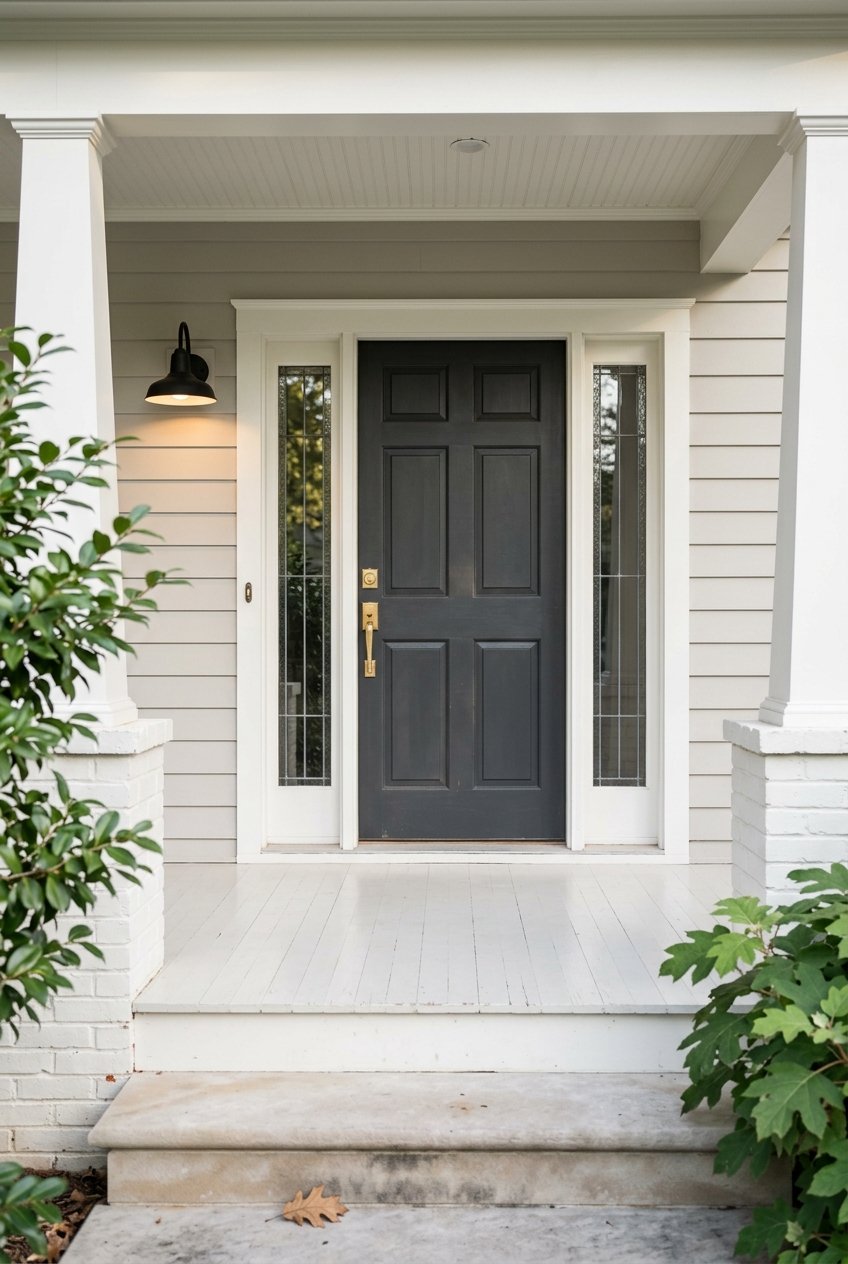
Renovating a historic home in Huntsville can feel like a balancing act. You want updated systems, better function, and everyday comfort, but you do not want to erase the details that made you fall in love with the house in the first place. The good news is that you do not have to choose between charm and livability if you plan carefully. In Huntsville, the best results usually come from understanding what makes a home historically distinct, knowing when city review applies, and making thoughtful updates that respect the original character. Let’s dive in.
Start With Your Home’s Historic Identity
Not every older home in Huntsville should be renovated the same way. The city’s historic districts include a wide mix of styles, from Federal and Greek Revival to Queen Anne, Bungalow, Cape Cod, Ranch, and vernacular Victorian homes. What looks appropriate on one house can feel completely out of place on another.
That is why the first step is identifying your home’s period and style before choosing finishes, exterior materials, or addition plans. In neighborhoods like Twickenham, Old Town, and Five Points, that context matters because the goal is not a generic “old-house look.” The goal is to keep your specific house recognizable and authentic.
Know When Huntsville Review Applies
If your property is in one of Huntsville’s locally designated historic districts, exterior work is generally subject to design review before a Certificate of Appropriateness or building permit is issued. Huntsville’s locally designated districts are Twickenham, Old Town, Five Points, and Alabama A&M University. Interior-only work usually does not need a COA unless it changes the exterior appearance.
For many homeowners, this is one of the most important planning points. COA applications cost $15, are due by the last Monday of each month, are heard on the second Monday, and approved applications are valid for 12 months. If you are considering exterior changes, additions, fences, patios, drives, pools, solar collectors, demolition, or painting an originally unpainted surface, it is smart to confirm review requirements early.
Some lower-impact items may qualify for expedited staff review instead of the full hearing process. These can include routine exterior repairs, certain rear or side window changes, rear decks, gutters, accessibility features, and mechanical unit placement and screening. That said, it is still worth checking with preservation staff before work begins if there is any uncertainty.
Preserve First, Replace Second
If you want to keep historic charm, this principle should guide almost every decision: repair first, replace only when repair is no longer reasonable. Huntsville’s preservation guidance and broader rehabilitation standards both support this approach because the original materials and features often carry the home’s character.
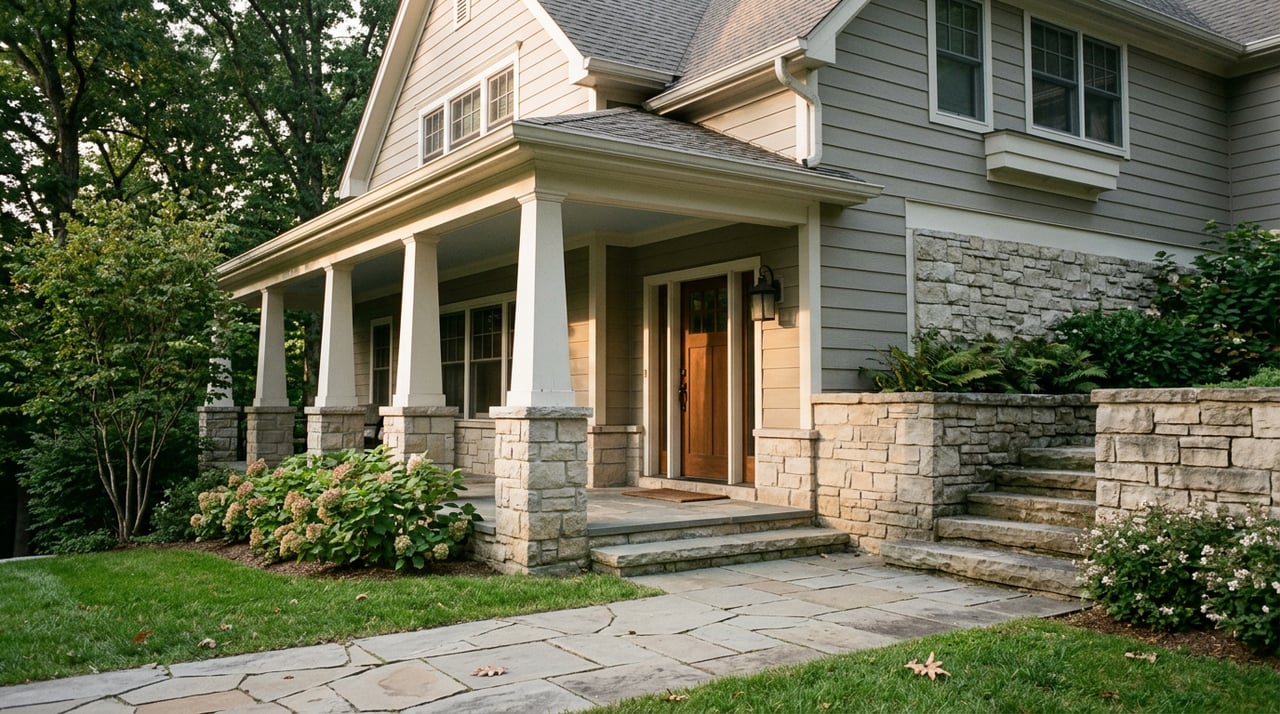
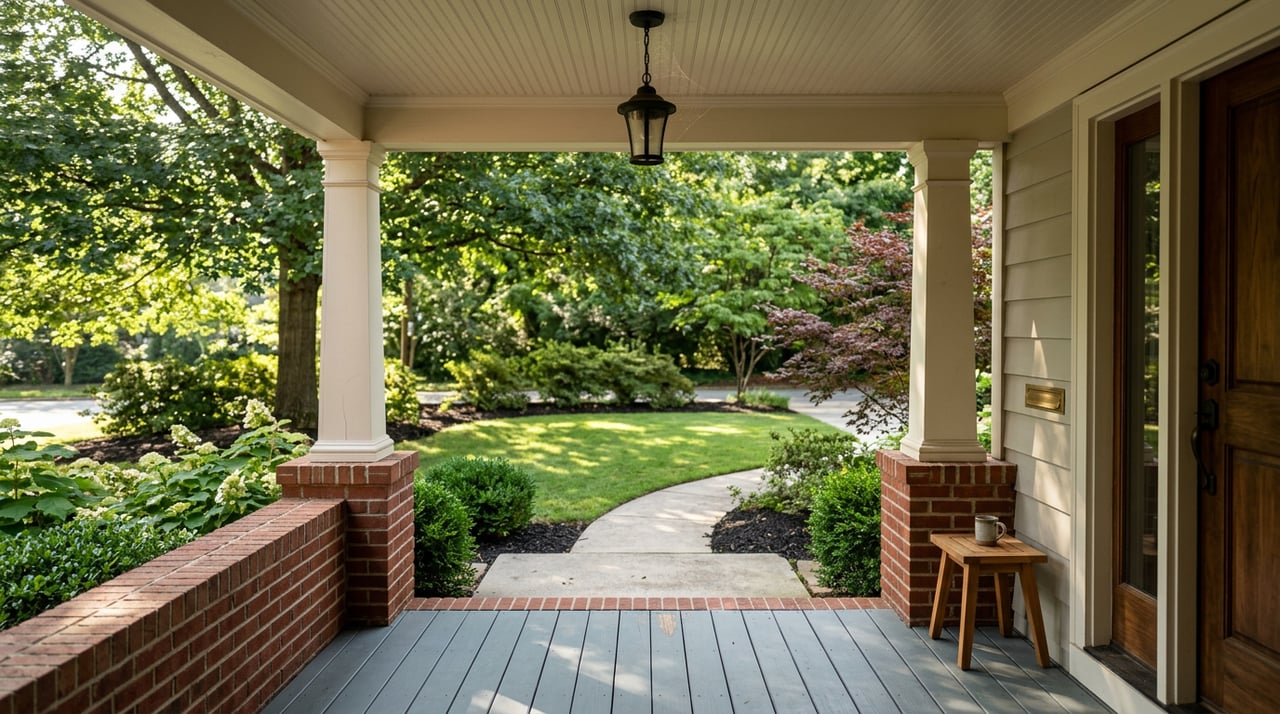
In many Huntsville homes, the most important character-defining elements include siding, masonry, windows, porches, chimneys, roof form, landscaping, fences, and the relationship between the house and its site. Porches, in particular, are a major part of historic character. Once those elements are removed or heavily altered, a home can lose the very qualities that make it special.
Features Worth Protecting
When you are planning work, pay close attention to these elements:
- Original wood siding
- Historic masonry
- Original or early windows
- Porch details and columns
- Chimneys and rooflines
- Dormers and visible massing
- Fences, walks, and site layout
- Accessory structures that contribute to the setting
Traditional wood siding should usually be retained and repaired rather than covered. Huntsville’s guide notes that synthetic siding can change the appearance of a house and may hide moisture damage underneath. What looks like an easy shortcut now can create both visual and maintenance issues later.
Historic masonry also needs a light touch. Cleaning should use the gentlest method possible, and abrasive cleaning methods such as sandblasting should not be used. If repointing is needed, the new mortar and workmanship should match the original as closely as possible.
Be Careful With Window Replacement
Windows are one of the quickest ways to change the look of a historic home. They are also one of the most commonly misunderstood renovation choices. In preservation work, repair is the preferred route, and replacement is generally reserved for cases where the existing windows are too deteriorated for reasonable repair.
Just as important, energy concerns alone are not considered a stand-alone reason to replace historic windows. If your goal is better comfort and efficiency, options like weatherstripping and storm windows often improve performance without changing the house’s appearance. That can give you a more balanced result than removing original windows that still contribute to the home’s character.
Modernize Interiors Without Flattening Character
One of the smartest ways to renovate a historic home is to place the biggest changes in the areas that can absorb them best. Kitchens, baths, laundry rooms, closets, and utility spaces are usually better candidates for major updates than front rooms, stair halls, or formal spaces that define the home’s identity.
That does not mean your interior needs to feel outdated. It means the renovation should protect the spaces and circulation patterns that make the home read as historic in the first place. In many cases, you can enjoy updated appliances, improved storage, and a more functional daily layout while still preserving trim, room proportions, and the feel of the main living spaces.
Where Change Usually Works Best
Secondary spaces often offer the most flexibility for:
- New kitchen layouts
- Bathroom reconfiguration
- Laundry relocation
- Added storage
- Utility upgrades
- Closet improvements
This approach helps you gain modern convenience without stripping the home of its original rhythm. When the formal rooms and primary circulation remain legible, the house tends to keep its sense of place and architectural integrity.
Plan Systems Early
Most historic homes need some level of HVAC, electrical, or plumbing improvement. That is normal. The problem usually comes when those upgrades are designed too late, forcing visible ductwork, dropped ceilings, boxed chases, or equipment placement that disrupts historic materials.
Early planning can help you avoid those compromises. In Huntsville, exterior mechanical equipment, roof condensers, exterior conduits, and ductwork should generally stay off principal elevations and be screened when visible. If you think through systems at the beginning, you have a much better chance of protecting both function and appearance.
Energy improvements can also be handled thoughtfully. Common lower-visibility strategies include reducing air leakage around windows and doors, adding attic insulation, and using wall insulation where it can be done without damaging historic materials or character.
Design Additions to Support the Original House
Sometimes you need more space, not just better finishes. A well-designed addition can work, but it should support the historic house instead of competing with it. The strongest additions are typically smaller in scale, set to the rear or an inconspicuous side, and clearly subordinate to the original structure.
That does not mean the addition has to be a fake copy. In fact, compatible additions are generally expected to be distinguishable from the historic building rather than imitating it exactly. The key is that the addition respects the original form, scale, setback, and overall character of the house and streetscape.
Rooftop additions are generally discouraged. In older Huntsville neighborhoods, preserving the original roof form and massing is often essential to keeping the home’s visual identity intact.
Do Not Overlook the Site
Historic character is not limited to the walls of the house. Huntsville’s design guidance treats landscape, site layout, fences, and accessory structures as part of the overall historic setting. That means the relationship between the house and its lot matters more than many homeowners expect.
A new fence, drive, patio, or pool may seem secondary, but those changes can still affect how the property reads from the street. The same is true for landscaping that reshapes the setting too aggressively. If your goal is to preserve charm, the site should be part of the renovation strategy from day one.
Understand Incentives Before You Budget Around Them
Historic tax credits can sound appealing, but they are limited in Alabama. The current state historic rehabilitation tax credit is a 25 percent refundable credit for income-producing properties that are listed in or eligible for the National Register of Historic Places and are at least 75 years old. The federal rehabilitation tax credit is 20 percent and also applies only to qualifying income-producing properties.
For most owner-occupied historic single-family homes, those tax-credit programs will not apply. That makes budgeting even more important. If you own or are buying a historic home in Huntsville, it is wise to build your renovation plan around realistic project costs rather than assuming residential tax credits will offset the expense.
A Smart Planning Sequence for Huntsville Homeowners
Before you start selecting finishes or interviewing contractors, it helps to follow a clear order of operations. Historic renovations usually go more smoothly when you answer the regulatory and preservation questions first.
Practical First Steps
- Verify whether the home is inside a locally designated historic district.
- Photograph existing conditions before any work begins.
- Identify the home’s architectural style and character-defining features.
- Talk with preservation staff early if you have questions about windows, siding, additions, fences, solar, or demolition.
- Secure COA approval before applying for a building permit when exterior review is required.
- Prioritize repair over replacement wherever feasible.
- Plan systems and energy upgrades early to avoid intrusive fixes later.
This sequence can save time, reduce costly revisions, and help you make choices that feel both practical and respectful to the house.
Historic Renovation Is About Balance
The best historic renovations in Huntsville do not freeze a home in time. They keep the home’s historic character legible while allowing it to function for modern living. That balance is what helps an older property feel timeless instead of overworked.
If you are buying, selling, or evaluating a historic home in Huntsville, understanding these details can shape everything from budget and timeline to long-term value and buyer appeal. For tailored guidance on historic and distinctive homes in Huntsville, connect with Donna Burns for a confidential consultation.
FAQs
Do Huntsville historic homes always need city approval for renovations?
- No. In Huntsville’s locally designated historic districts, exterior changes generally require a Certificate of Appropriateness or staff review, while interior-only work usually does not unless it changes the exterior appearance.
Which Huntsville neighborhoods have local historic district review?
- Huntsville’s locally designated historic districts are Twickenham, Old Town, Five Points, and Alabama A&M University.
Can you replace windows in a historic Huntsville home for energy savings?
- Window repair is generally preferred, and energy savings alone are not usually considered a sufficient reason for replacement when historic windows can still be reasonably repaired.
What exterior features matter most in a historic Huntsville renovation?
- Common character-defining features include siding, masonry, windows, porches, chimneys, roof form, fencing, landscaping, and the relationship between the home and its site.
Do owner-occupied historic homes in Alabama qualify for historic tax credits?
- Usually no. Alabama’s current state historic rehabilitation tax credit and the federal rehabilitation tax credit apply to qualifying income-producing properties, not most owner-occupied single-family homes.
How should you add modern space to a historic Huntsville house?
- The best additions are typically placed at the rear or an inconspicuous side, remain subordinate in scale, and respect the original home’s form and character rather than overpowering it.