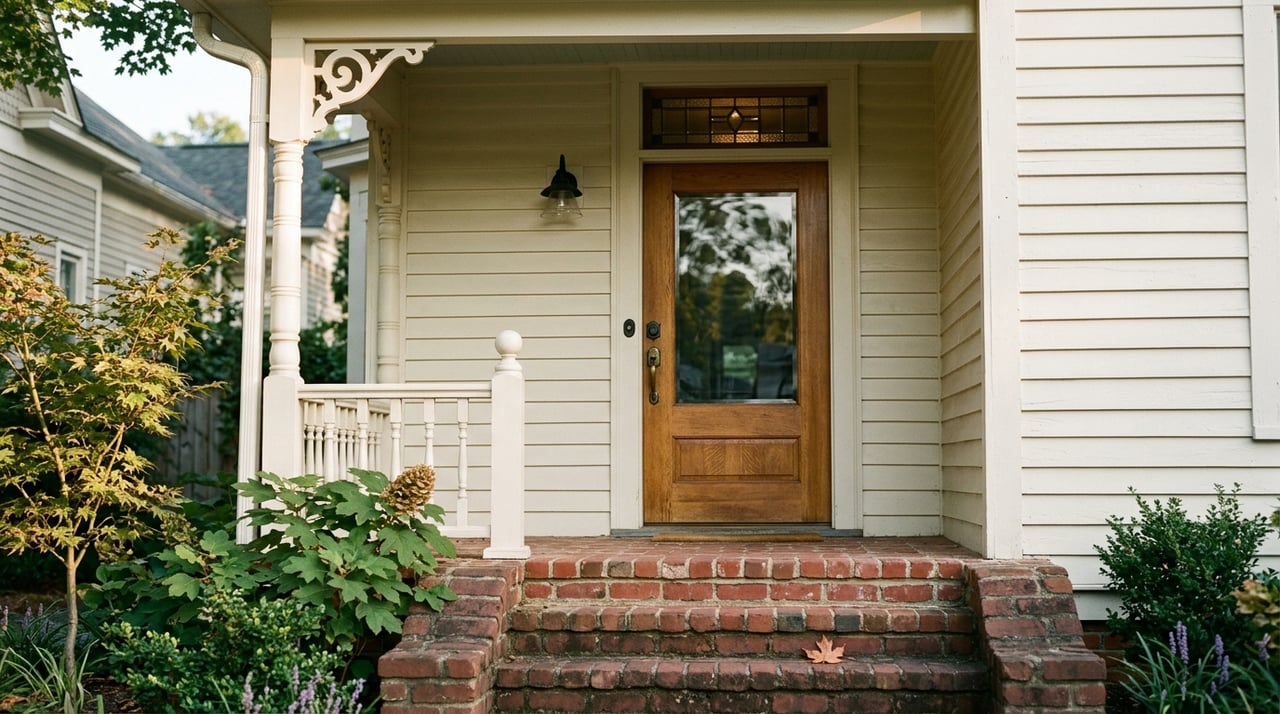
Wondering why one historic Huntsville home feels grand and formal while another feels cozy and porch-centered? In 35801, that difference often comes down to architectural style, and understanding it can help you shop with more confidence or appreciate the story behind a home you already love. From ornate Victorian details to warm Craftsman bungalows and practical postwar ranch homes, Historic Huntsville offers a layered look at how the city grew over time. Let’s dive in.
Historic Huntsville Tells a Layered Story
Historic Huntsville is not just one look or one era. It is better understood as a group of downtown historic districts that together show the city’s architectural timeline.
Twickenham, Old Town, and Five Points each add a different chapter. Twickenham includes Alabama’s largest collection of pre-Civil War homes and features styles from Federal and Greek Revival to Queen Anne, Bungalow, and postwar houses. Old Town is known as Huntsville’s most complete Victorian streetscape, while Five Points reflects the evolution of middle-class housing from around 1900 to 1962.
That mix is what makes the area so compelling. When you walk or drive through these districts, you are seeing how Huntsville changed over generations rather than viewing a single frozen style.
Twickenham, Old Town, and Five Points
Twickenham Shows the Longest Timeline
Twickenham is often described by the city as a living museum of American architectural styles dating from 1814. That makes it one of the best places in Huntsville to see how architecture evolved over time.
You may notice early forms like Federal and Greek Revival alongside later homes with Victorian, bungalow, and postwar influences. For buyers, that means the district offers a wide range of home personalities, floor plans, and maintenance expectations.
Old Town Highlights Victorian Character
Old Town includes houses dating from 1828 onward, with most built between 1880 and 1929. The city identifies it as the only complete section of Huntsville with true Victorian character.
If you are drawn to decorative details, dramatic rooflines, and a strong historic presence from the street, Old Town often delivers that visual impact. It is one of the clearest places to understand how late-Victorian architecture shaped Huntsville’s identity.
Five Points Reflects Everyday Growth
Five Points tells a slightly different story. Its homes trace Huntsville from the cotton-mill era through the space-age boom, with housing types that include Victorian cottages, Bungalows and Craftsman homes, Minimal Traditional houses, Ranch Style homes, and later infill.
This district helps you see the city’s middle-class housing history in a very readable way. It also shows how buyer preferences shifted toward simpler forms and more casual daily living over time.
Victorian Homes in Huntsville
What Victorian Usually Means Here
In Huntsville, Victorian often refers to late-Victorian forms such as Queen Anne and Eastlake rather than one single house type. These homes tend to look expressive, ornamental, and visually rich.
Common features include steep or intersecting rooflines, bay windows, turrets, stained or multi-pane glass, spindlework, and wraparound porches. Many also have an asymmetrical look from the street, which adds to their strong presence.
How Victorian Homes Feel Inside
Victorian homes usually feel more vertical and more compartmentalized than later styles. Queen Anne floor plans often flow around a central family staircase, with more defined rooms instead of one large open living core.
That can be a great fit if you like clear room separation, formal dining areas, or a classic front parlor layout. If you prefer a wide-open kitchen, living, and dining arrangement, this style may feel less naturally aligned with that lifestyle.
Why Buyers Love Victorian Homes
For many buyers, the appeal is simple. Victorian homes offer craftsmanship, historical character, and curb appeal that is hard to replicate.
They also tend to make a memorable impression. If you value expressive architecture and a home with a distinct personality, Victorian houses in Old Town and parts of Twickenham are often worth a closer look.
Craftsman and Bungalow Homes
Why Bungalows Matter in Huntsville
By the 1920s, the bungalow had become a predominant house type in Huntsville. Old Town and Five Points both contain strong concentrations of bungalows, making this style a major part of the city’s historic housing story.
These homes often feel approachable and human-scaled. Instead of aiming for grandeur, they focus on comfort, simplicity, and connection to the front porch.
Key Craftsman Features
Craftsman and bungalow homes are usually easy to spot once you know what to look for. Their common visual cues include:
- Low-pitched, broad gables
- Wide eaves
- Exposed rafters or brackets
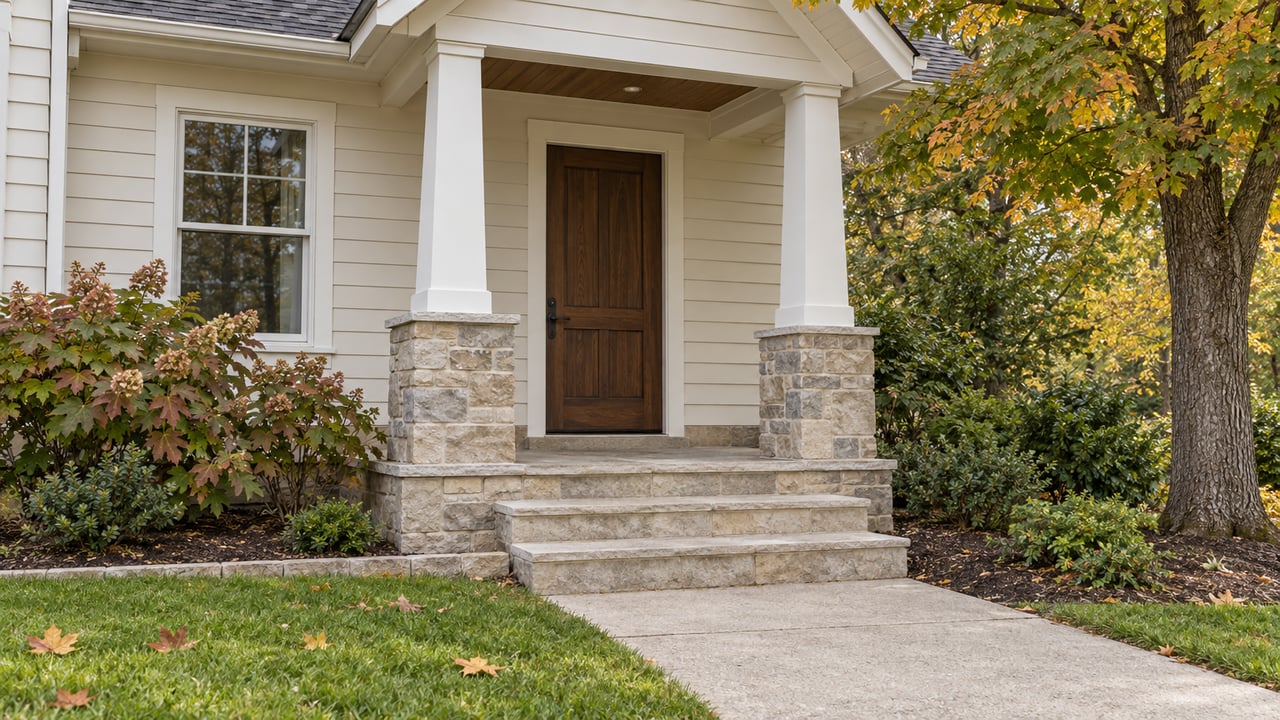
- Porches tucked under the main roof
- Natural materials and simple, low-slung massing
These details give the homes a grounded, handcrafted feel. In many cases, the porch is a defining part of the home’s look and daily use.
How Bungalows Live Day to Day
Craftsman bungalows often reduce or eliminate hallways and lean toward more open floor plans than Victorian homes. They may also feature stained woodwork and a more informal relationship to the landscape.
In practical terms, these homes often feel warm, intimate, and efficient. If you like charm, manageable scale, and a layout that feels less formal than a Victorian plan, a bungalow may be your style.
Midcentury and Postwar Homes
The Postwar Layer in Five Points
Midcentury in Historic Huntsville is best understood as part of the city’s postwar housing layer. In Five Points, that includes modest Cape Cod homes followed by Ranch Style houses in the 1950s and 1960s.
These homes reflect Huntsville’s broader growth during the space-age boom. They are an important part of the local story, even if they look simpler than earlier architectural styles.
What Ranch Homes Look Like
Postwar homes usually have a more streamlined appearance. You will often see:
- Low, long profiles
- Horizontal emphasis
- Picture windows
- Attached carports or garages
- Less ornament overall
This style tends to prioritize function and ease of use over decorative detail. That difference is part of what makes it appealing to many modern buyers.
Why Postwar Homes Feel More Casual
Ranch interiors often separate spaces by function while still allowing more openness than older homes. Common features include an eat-in kitchen, a large living room, and strong indoor-outdoor connection through generous glazing.
For buyers, this often translates to one-level living, easier circulation, and a layout that can adapt well to later updates. If your lifestyle leans casual and practical, postwar homes can feel especially comfortable.
How to Compare These Styles
If you are trying to decide which historic Huntsville style fits you best, it helps to think beyond curb appeal. Consider how each style supports the way you want to live every day.
A simple way to frame it is this:
- Victorian homes tend to feel vertical, formal, and visually expressive.
- Craftsman homes tend to feel compact, handcrafted, and porch-oriented.
- Midcentury and postwar homes tend to feel casual, functional, and more open.
That framework can help you narrow your search and ask better questions during a showing. Style is not just about appearance. It also shapes layout, flow, and how a home feels over time.
What Buyers Should Know About Preservation
If you are considering a home in one of Huntsville’s historic districts, architectural style is only part of the picture. Ownership also comes with preservation rules that can affect future exterior work.
According to the city, exterior changes, additions, new structures, demolition, and similar work require a Certificate of Appropriateness or Expedited Staff Review. Interior work is generally exempt unless it changes the exterior appearance.
That matters because the very features that make historic homes special are often the same ones subject to review. Porches, windows, roofs, siding, and additions are not just maintenance items. They are part of the architectural story of the district.
Why Style Matters When You Buy
The right historic home is not always the most ornate or the most updated. It is often the one whose style matches how you want to live, what kind of upkeep you expect, and what kind of character feels right to you.
In Huntsville’s historic districts, architecture is more than a backdrop. It shapes the experience of daily life, from how rooms connect to how a home relates to the street and the neighborhood around it.
If you want thoughtful guidance as you explore Huntsville’s historic homes, connect with Donna Burns for a confidential consultation.
FAQs
What architectural styles are common in Historic Huntsville?
- Historic Huntsville includes a mix of Federal, Greek Revival, Victorian, Queen Anne, Eastlake, Craftsman, Bungalow, Minimal Traditional, Ranch Style, and other postwar homes across districts like Twickenham, Old Town, and Five Points.
What makes Old Town homes in Huntsville feel different from Five Points homes?
- Old Town is known for its Victorian character, while Five Points reflects a broader range of middle-class housing from about 1900 to 1962, including bungalows, Minimal Traditional houses, and Ranch Style homes.
What features define Victorian homes in Huntsville?
- Victorian homes in Huntsville often include steep rooflines, bay windows, turrets, stained or multi-pane glass, spindlework, wraparound porches, and more formal room layouts.
What are the key signs of a Craftsman bungalow in Huntsville?
- Craftsman bungalows usually feature low-pitched gables, wide eaves, exposed rafters or brackets, porches under the main roof, and a simple, handcrafted look.
What should buyers know about exterior changes in Huntsville historic districts?
- In Huntsville historic districts, exterior changes such as additions, demolition, and similar work generally require city review through a Certificate of Appropriateness or Expedited Staff Review.