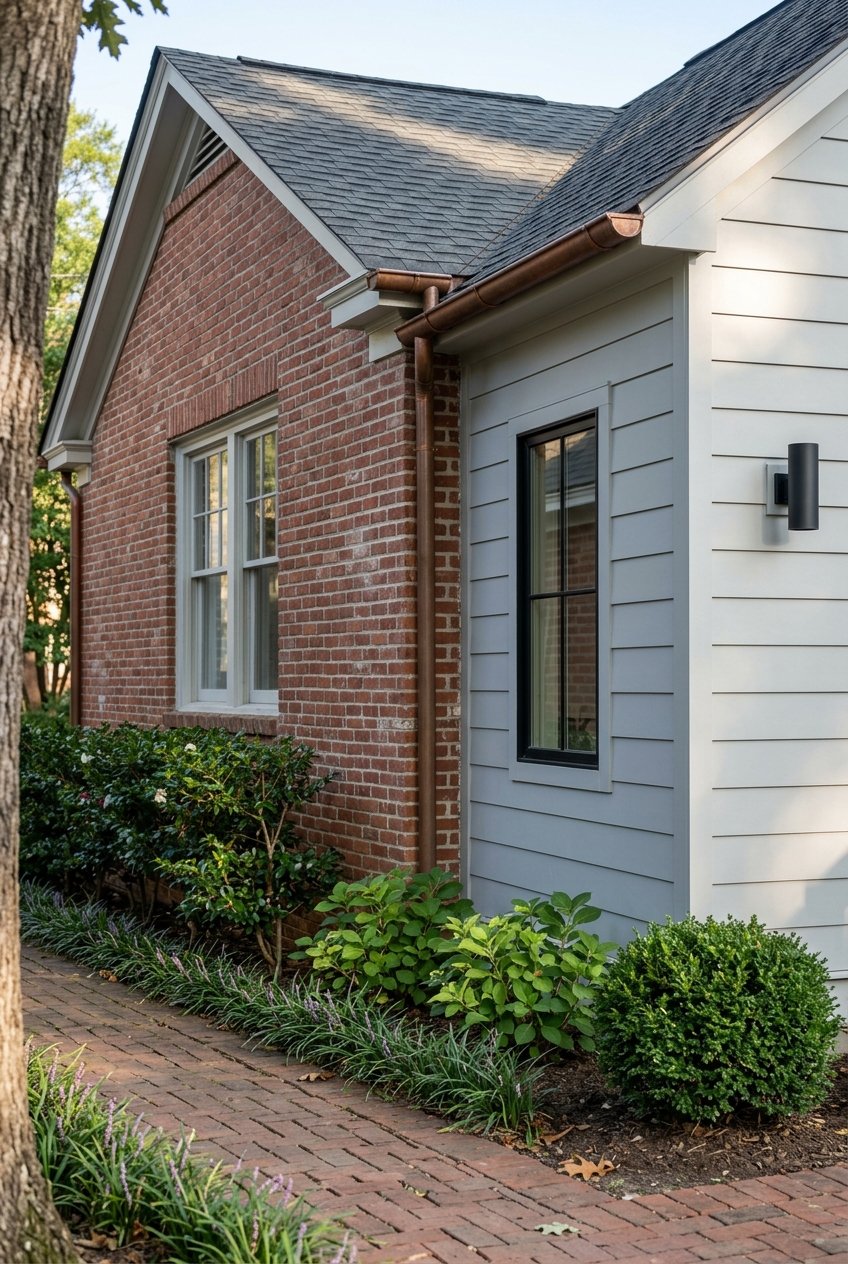
Thinking about buying a historic home in Huntsville and making it your own? That can be a smart and rewarding move, but it works best when you treat the property like a careful rehabilitation project, not a total blank-slate remodel. If you understand the review process, the common repair priorities, and the right questions to ask before you make an offer, you can move forward with far more confidence. Let’s dive in.
Why Historic Huntsville Requires a Different Plan
In Huntsville’s local historic districts, the goal is not to freeze homes in time. The city allows owners to make appropriate exterior changes, but those updates need to protect the overall character of the house and the street. That means your renovation vision should focus on compatible improvements, not dramatic exterior changes that ignore the home’s original design.
The city’s guidance is tied to the Secretary of the Interior’s rehabilitation standards. In simple terms, that means preserving important historic features whenever possible, repairing original materials first, and replacing them only when deterioration is too extensive for repair. For buyers, that approach shapes everything from budgeting to contractor conversations.
Know Which Historic Area You’re Buying In
Not all historic homes in central Huntsville come with the same style, age, or renovation needs. Twickenham, Old Town, and Five Points each developed in different eras, so the materials, layouts, and likely project issues can vary a lot from one block to the next.
Twickenham Homes
Twickenham is Huntsville’s first local historic district and includes the city’s largest collection of pre-Civil War homes. If you buy here, you may be dealing with very early construction methods, older materials, and highly visible architectural details that need thoughtful preservation.
Old Town Homes
Old Town includes houses dating from 1828 onward, with many built between 1880 and 1929. That broad timeline can mean a wide mix of styles and renovation conditions, so two homes on nearby streets may call for very different repair strategies.
Five Points Homes
Five Points grew from the East Huntsville Addition and includes a mix of late-19th-century and early-20th-century housing types. Buyers here should still expect historic review on exterior work, but the typical floor plans, porch forms, and material details may differ from what you would see in Twickenham or Old Town.
Focus on the Right Renovation Priorities
When you tour a historic Huntsville home, cosmetic updates should not be your first concern. Start with the features the city treats as character-defining and the systems most likely to affect your budget and timeline.
Roofs and Rooflines Matter
In Huntsville, roofs are a major historic feature. The city encourages owners to retain and repair original roof forms and materials where possible, and replacement materials should closely match the historic appearance.
Historic roofing types may include standing seam metal, pressed metal shingles, slate, and clay tile. Visually inappropriate synthetic or roll-roofing products are discouraged on historic houses, so roof decisions can affect both design approval and project cost.
Windows Often Deserve Repair First
Historic windows are another major priority. Huntsville’s guidelines say existing historic windows should be maintained and repaired, and replacement is only appropriate when deterioration is beyond reasonable repair.
That matters because many buyers assume replacement is the faster answer. In reality, repair methods such as weatherstripping or localized wood repair may be appropriate and can help preserve the home’s historic look, especially on principal elevations where vinyl or aluminum replacements and mismatched window patterns are not considered appropriate.
Porches and Entries Carry Visual Weight
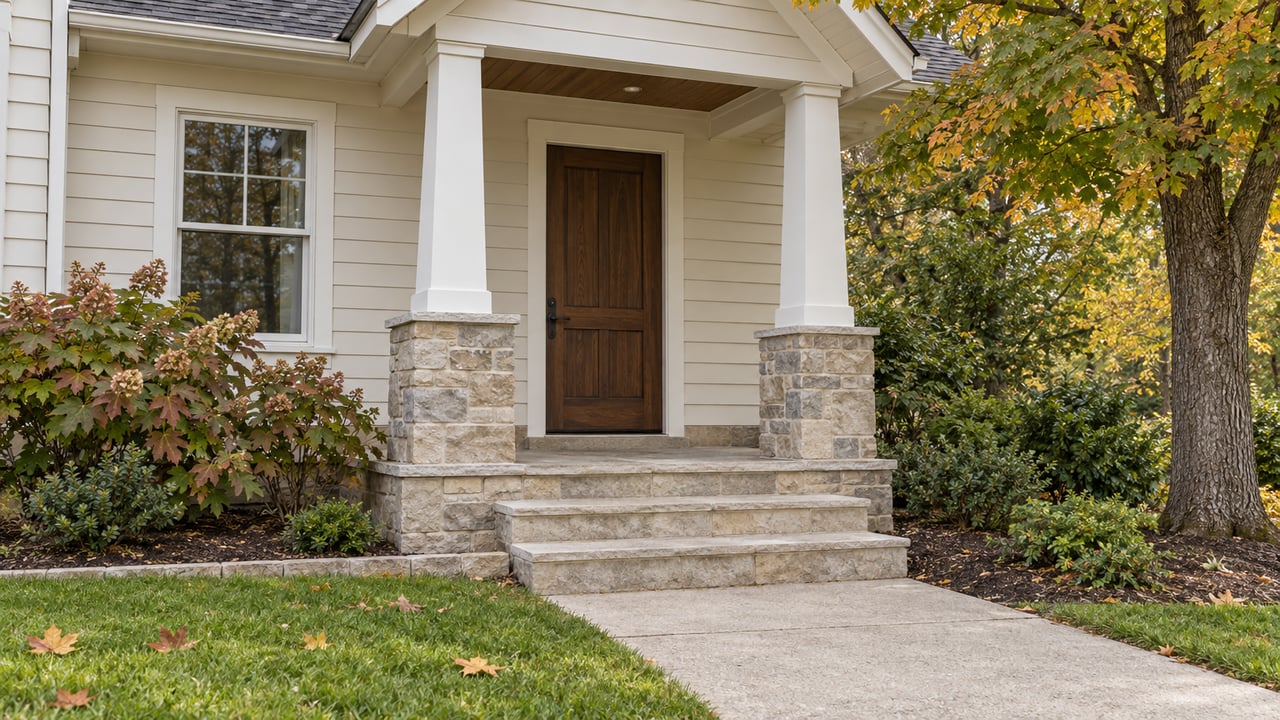
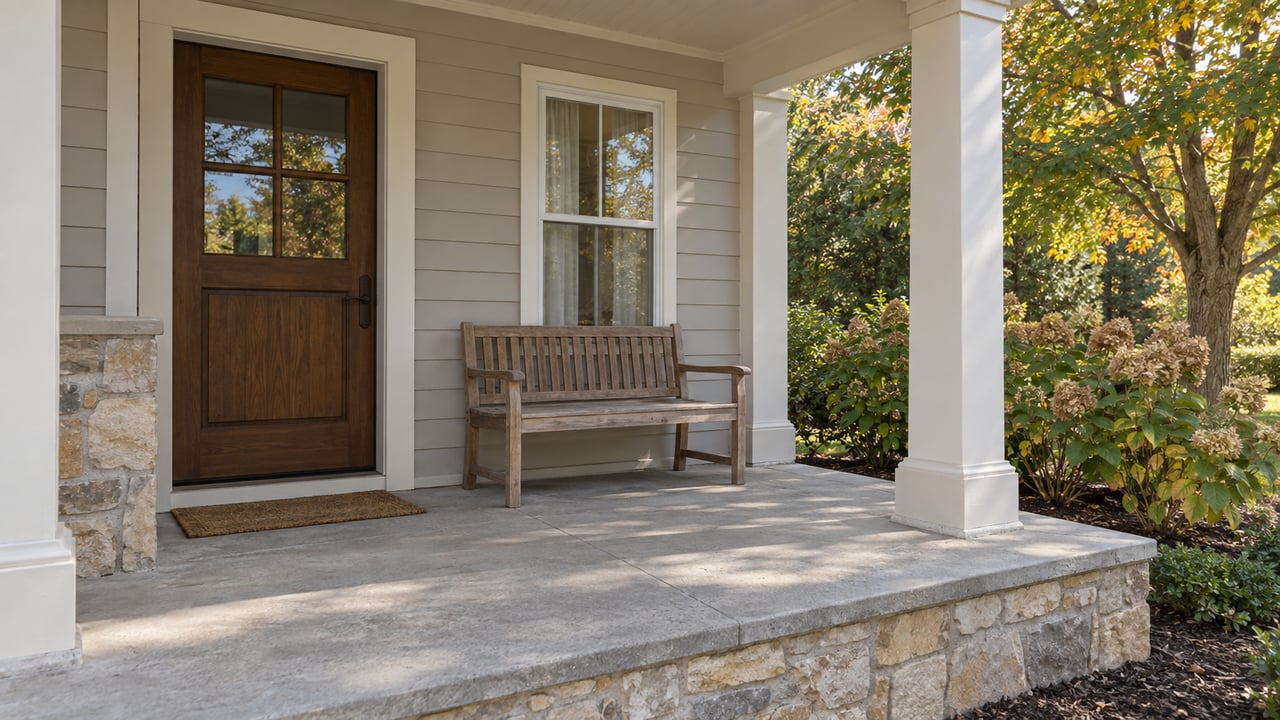
Porches and front entrances are often central design features on older Huntsville homes. The city’s design guidance supports retaining and repairing historic porches, along with original columns and railings.
If you are thinking about an enclosure or major alteration, proceed carefully. Enclosures on principal elevations are generally discouraged, and any new work should remain visually subordinate to the historic elements.
Additions Need Careful Placement
If your renovation plan includes more square footage, rear and side additions are generally more acceptable than front-facing changes. Even then, they must remain compatible with the home’s scale, roof shape, and overall massing.
Huntsville’s guidance says additions should be subordinate to the main house and should not be made to principal elevations. Detached garages and outbuildings are typically expected to sit to the rear, which can affect both design and site planning.
Mechanical and Site Updates Count Too
Historic review is not limited to siding, windows, and trim. HVAC equipment, ductwork, antennas, solar-related equipment, fences, hardscape, and landscaping may also be part of the process.
The city expects these features to complement the building and stay away from principal elevations when possible. If visible, they may need screening, so it helps to think through these details early instead of treating them as last-minute add-ons.
Plan for Energy Improvements Carefully
You can improve comfort and efficiency in a historic home, but the best approach is usually a lower-impact one. Guidance cited in the research supports weatherization and energy updates when they do not damage historic materials or reduce the home’s character.
Practical strategies may include air sealing, repairing windows and doors, adding appropriate storm windows, and improving insulation carefully. If energy performance is one of your top goals, build that conversation into your planning from the start so you do not create conflicts with the home’s historic features.
Understand the Huntsville Review Process
One of the biggest mistakes buyers make is assuming renovation can begin right after closing. In Huntsville’s historic districts, many exterior changes require a Certificate of Appropriateness, or COA, or an expedited staff review before a building permit can be issued.
COA review generally applies to exterior reconstruction, restoration, renovation, additions, new structures, demolition, painting originally unpainted surfaces, and sign work. Interior work is generally exempt unless it changes the exterior appearance.
What May Qualify for Faster Review
Some routine items may be handled through expedited staff review. These can include paint color changes, roof color changes, removal of synthetic siding, rear or side window alterations, HVAC placement and screening, hardscape, accessibility features, rear decks, gutters, and demolition of non-contributing detached outbuildings.
Even when a project seems minor, it is wise to confirm the review path early. That can help you avoid delays once you start requesting bids and permit timelines.
Why Timing Matters
COA applications are due by the last Monday of each month, and the commission meets on the second Monday at 4:30 p.m. A project representative must attend, or the request can be denied.
Once approved, the COA is valid for 12 months, with a possible one-time six-month renewal. For buyers, this means larger exterior projects can add at least a full meeting cycle to the schedule, so your renovation timeline should reflect that reality from day one.
Build Your Due Diligence Team Early
Historic-home purchases benefit from strong coordination before you close, not after. In Alabama, home inspectors must be licensed, so using a licensed inspector early is an important first step.
The general inspection should guide any follow-up evaluations you need. In an older home, that often means bringing in specialists based on what the inspection uncovers rather than trying to guess every issue in advance.
Check for Lead and Asbestos Risks
Older homes may involve environmental concerns that affect both safety and budget. According to the research provided, many homes built before 1978 may contain lead-based paint, and pre-renovation testing can be especially useful before buying or remodeling.
The same research notes that lead pipes are more likely in older cities and homes built before 1986, and water testing is the only sure way to know if lead is present. Asbestos may also be found in older siding or roofing materials, so those possibilities should be part of your planning if the home’s age and condition suggest a risk.
Verify Contractor Licensing
Contractor vetting matters just as much as the inspection process. Alabama’s Home Builders Licensure Board states that residential home builders must be licensed, and the licensing law covers repair or improvement work over $10,000 and residential roofing over $2,500.
In Huntsville, the city also requires proof that subcontractors are licensed and insured, and it says acting as your own contractor is not recommended. Before signing contracts, make sure your team is properly licensed and organized for the city’s permit and inspection requirements.
Budget for More Uncertainty Than a Newer Home
Historic renovations often come with hidden conditions, changing scopes, and repair-first decisions that are hard to price perfectly on the first pass. That does not mean you should avoid these homes. It means you should build your budget with more realism and patience.
The most likely pressure points include the building envelope, roof work, windows and doors, porch restoration, HVAC and system upgrades, and any environmental mitigation tied to lead or asbestos. A healthy contingency and a clear project sequence can do more to protect you than an overly optimistic estimate.
Questions to Answer Before You Make an Offer
Before you commit to a historic Huntsville property, try to answer these questions as clearly as possible:
- Is the home in a locally designated historic district?
- Which of your planned changes are exterior-facing?
- Will those exterior changes likely require COA review or staff review?
- Are the roof, windows, porch, siding, and mechanical systems repairable rather than immediately replaceable?
- Have you budgeted for follow-up inspections and possible lead or asbestos checks?
- Do you already have a licensed inspector and licensed contractor team in mind?
- Have you allowed enough time for review, permits, and approvals before construction starts?
The more of these answers you have before you make an offer, the easier it becomes to judge whether a home is the right fit for your goals, budget, and timeline.
Buy With Vision and Patience
Buying in historic Huntsville can be incredibly rewarding when you approach it with the right mindset. The strongest results usually come from preserving what gives the house its identity, modernizing carefully, and coordinating the review, inspection, and construction process before the first hammer swing.
If you are considering a historic home in 35801 or nearby central Huntsville neighborhoods, thoughtful guidance can make the process feel far more manageable. For discreet, local advice on buying with renovation in mind, connect with Donna Burns.
FAQs
What makes buying a historic home in Huntsville different from buying a newer home?
- Historic homes in Huntsville often involve exterior design review, repair-first preservation standards, older materials, and longer renovation timelines than newer homes.
What is a Certificate of Appropriateness for a Huntsville historic home?
- A Certificate of Appropriateness, or COA, is a city approval required for many exterior changes in local historic districts before a building permit can be issued.
Which Huntsville historic-home updates may need review before work begins?
- Exterior reconstruction, restoration, renovation, additions, new structures, demolition, painting originally unpainted surfaces, and some site changes may require COA review or expedited staff review.
Can you replace windows in a historic Huntsville house?
- You may be able to replace windows if deterioration is beyond reasonable repair, but Huntsville’s guidelines prioritize maintaining and repairing historic windows first.
What should you inspect first when buying a historic home in Huntsville?
- Start with a licensed home inspection, then use that report to decide whether you need follow-up evaluations for items such as roofing, windows, systems, lead-related concerns, or asbestos-related concerns.
Why should you budget extra for a historic Huntsville renovation?
- Historic renovations can involve hidden conditions, preservation requirements, specialized repairs, review timelines, and environmental testing that make costs less predictable than a newer-home remodel.