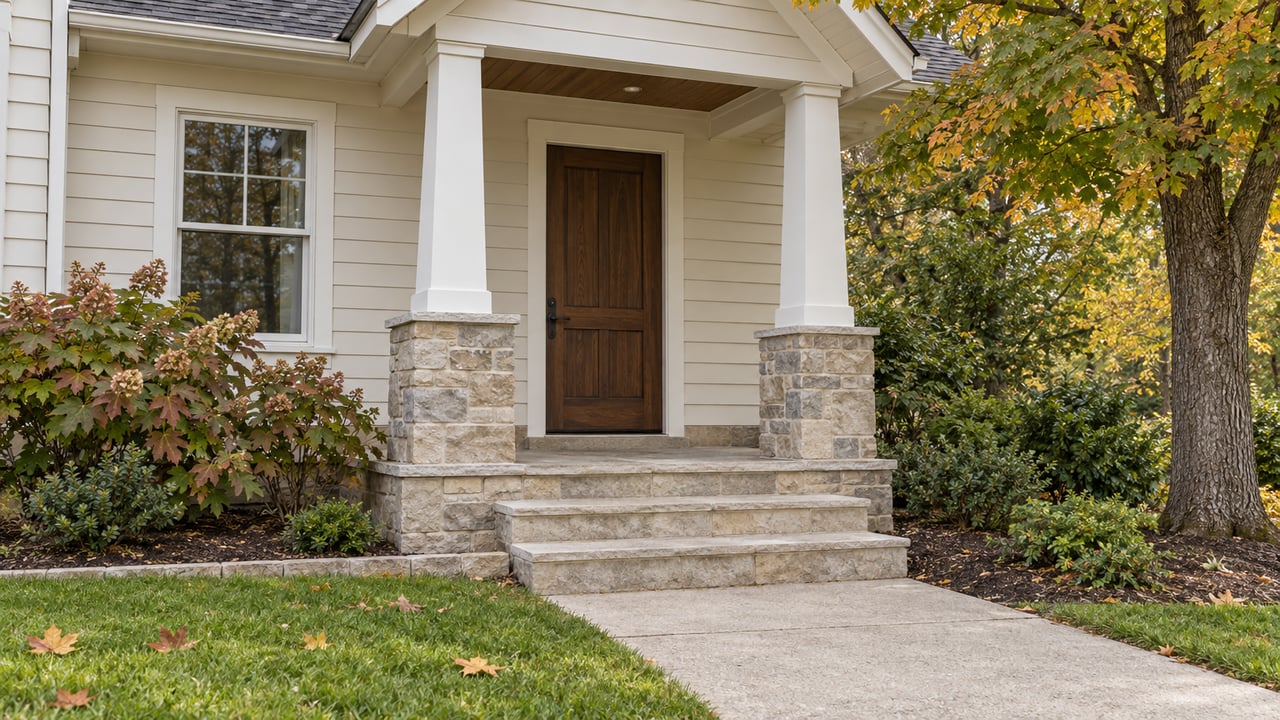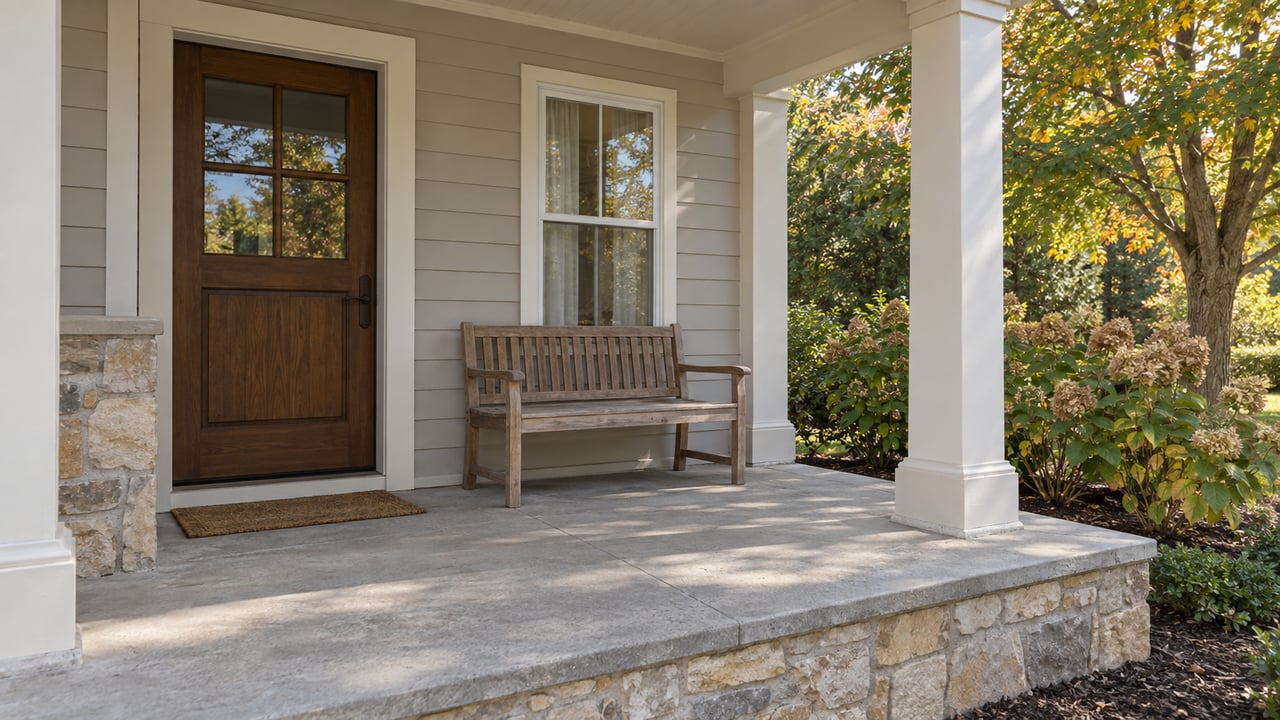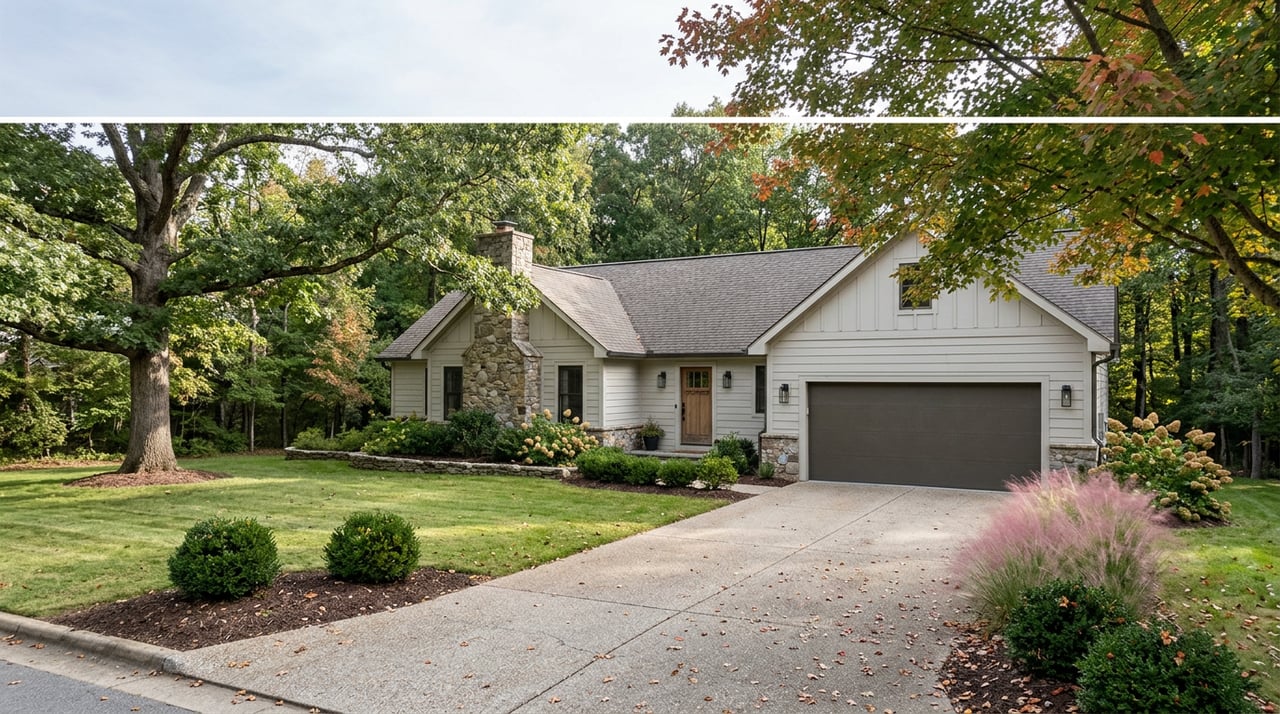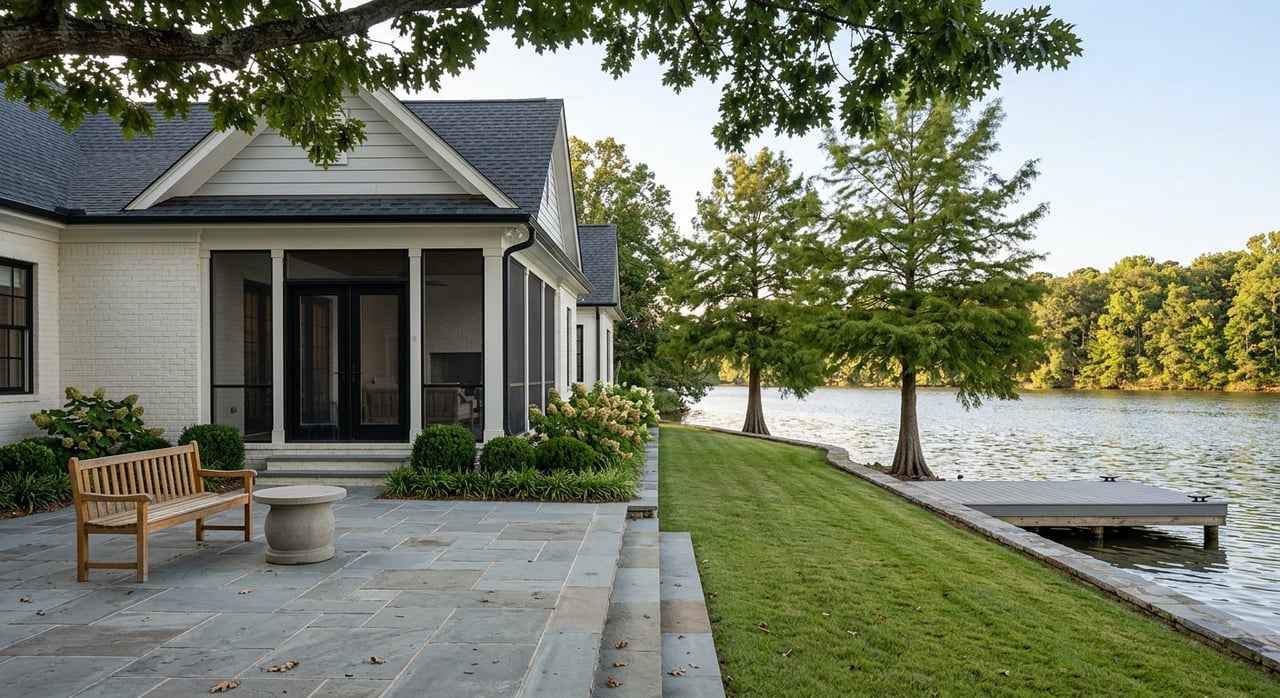
Imagine waking up to calm water views or watching evening golfers roll past your back lawn. In Hampton Cove, that lifestyle is within reach, but it comes with rules and tradeoffs you should understand before you buy. If you are considering a lake lot or a home along the Robert Trent Jones Golf Trail, you will want a clear plan for due diligence, insurance, and approvals. This guide gives you the essentials so you can shop with confidence and protect your investment. Let’s dive in.
What “waterfront” and “golf” mean here
Hampton Cove is a master-planned community in the Huntsville area with paved walkways, parks, and community lakes and ponds. The community highlights ten lakes and ponds that create the waterfront feel many buyers love. These are man-made or community lakes, not large navigable bodies of water.
Golfers have immediate proximity to the Robert Trent Jones Golf Trail at Hampton Cove, a 54-hole complex that includes the Highlands, River, and Short Course. Many homes back to the course or sit along the lakes, which shape backyard views and use. Understanding how the community’s covenants treat lake and golf-course lots is key to setting realistic expectations.
Key HOA rules that shape ownership
Before you write an offer, review the Declaration of Protective Covenants and the community Standards and Restrictions. These documents define what you can build, how you can use the lakes, and how close structures can sit to your rear lot line.
Lake use and shoreline work
Lake activities are limited. Swimming and similar activities are not allowed unless the Board specifically approves them. Shoreline changes such as retaining walls or bank modifications require prior written approval.
A perpetual maintenance easement around the lakes gives the Association the right to enter for upkeep. The Declaration restricts what you can place within 15 feet of the lake’s highest normal pool elevation without approval. If you are imagining a private dock or heavy shoreline landscaping, plan for a formal review first.
Boats and storage
Boats with internal-combustion motors and boats longer than 17 feet are prohibited unless the Board approves them. You also cannot leave a boat in the water unattended, and boats must be stored inside an enclosed structure. If you want to keep a small watercraft, confirm the type and storage plan with the HOA before closing.
Golf and lake lot setbacks and fences
Golf-course and lake lots have stricter rear-yard rules. Backyard fences are generally not allowed for these lots, and no structure can sit closer than 40 feet to the back lot line. Privacy fencing around a pool or patio can sometimes be approved, but it is not automatic. If a fenced yard is important to you, ask for precedents and written guidance early in the process.
Dues and fees to expect
The community lists annual dues and certain neighborhood lawn-care fees. As one example, the HCOA Annual Dues have been listed at $500 due on January 1, and some sub-neighborhoods show quarterly lawn-care charges. Always confirm current amounts, due dates, and any special assessments with the HOA before you remove contingencies.
Flood risk and insurance checks
Parts of Hampton Cove include low-lying areas near the Flint River and man-made lakes, which means flood mapping and elevation can matter. Take the time to verify the property’s flood status, even if the views look elevated.
Follow this sequence:
Search the FEMA Flood Map Service Center by address to identify the property’s regulatory flood zone and any Letters of Map Amendment or Revision. This is the authoritative source.
Review local GIS flood layers for context. City and county mapping often overlays FEMA data with stormwater features and detention basins.
Ask the seller for an existing Elevation Certificate and any flood-claim history. If none exists, consider ordering an Elevation Certificate from a licensed surveyor to refine insurance pricing and clarify risk.
If a lender determines the home sits in a Special Flood Hazard Area, flood insurance will be required. Even outside those zones, many buyers choose coverage. Compare National Flood Insurance Program policies with private options to see limits, waiting periods, and coverage details.
Premiums vary widely by elevation, structure, and coverage levels. Treat averages as general orientation only and obtain a quote for the specific address. Also verify map panel update dates to make sure you are using the effective version.
Lifestyle tradeoffs to weigh
Buying along the water or the fairway delivers a specific kind of everyday experience. Think through what you value most and what constraints you can live with.
Benefits you may value
You may enjoy scenic views, open green space, and quiet rear yards without typical fence lines. The community’s stocked lakes provide passive recreation like fishing, and walking trails connect parks and neighborhoods. Golfers have easy access to the RTJ clubhouse, pro shop, and dining, along with events that create a sense of place.
Tradeoffs to plan for
Water use is limited and private docks are not guaranteed, which means a lake lot may not match the typical big-lake boating lifestyle. Shoreline adjustments require approval, and erosion-control options can be constrained by the easement and standards. Golf-course living can include early-morning maintenance activity, scheduled aeration or overseeding, and a small risk of errant shots reaching the yard.
Backyard privacy for golf and lake lots can be different because of the fence restrictions and the 40-foot rear setback. If you want a screened pool or specific hardscape features, confirm what the Board has approved elsewhere and how they handle new applications.
Resale and value talk
Water and golf adjacency can elevate demand, but the size of the premium varies. Large-sample research shows lakefront and near-lake properties often carry a measurable premium, with effects strongest close to the shoreline and tied to water quality and condition. Studies on golf-course adjacency show premiums that range widely, depending on course quality, public access, and market dynamics.
In Hampton Cove, neighborhood-level pricing has tended to sit above city medians in many snapshots, but the exact value of a specific lake or golf frontage depends on view corridor, lot depth, street position, home condition, and recent comparable sales. The most reliable read comes from local comps for similar waterfront or course-frontage properties and a lender’s appraisal. Treat the premium as one piece of the value story, then account for any added costs or constraints.
Due diligence checklist for buyers
Use this list to stay organized from offer through contingencies:
- Request the full Declaration of Protective Covenants, supplemental neighborhood declarations, and current Standards and Restrictions. Do not rely on a summary sheet.
- Obtain the HOA resale package or estoppel letter to confirm dues, special assessments, reserves, and any neighborhood-specific rules.
- Ask for an existing Elevation Certificate, LOMA, or LOMR for the lot. If none exists, complete the FEMA map check and consider ordering an EC.
- Review invoices or records for lake maintenance, dam repairs, or any past special assessments tied to lakes or course-adjacent infrastructure.
- Get the seller’s disclosure of any prior flood or insurance claims.
- Order a current boundary survey that shows the rear setback, the lake’s high-water line, easements, and any encroachments. Clarify how “highest normal pool elevation” is defined on plats.
- Confirm the Architectural Review Board process, timelines, and criteria for docks, retaining walls, fences, and pool enclosures. Ask for examples of approved designs.
- Schedule a full home inspection, with extra attention to grading and drainage on the lake-facing side. If you plan shoreline changes, consult a civil or geotechnical engineer on feasibility.
- If course-adjacent, ask the golf facility about fertilization and pesticide schedules, and request any available safety or use policies.
Smart contract strategies
- Make the purchase agreement contingent on HOA document review, including any neighborhood addenda that affect your lot type.
- Add a contingency for a flood-insurance quote or lender confirmation, especially if mapping suggests a Special Flood Hazard Area.
- If required flood insurance raises affordability, consider asking for a seller credit to cover first-year premiums or to fund specific mitigation work.
- Document any planned exterior improvements in writing and, where possible, obtain preliminary feedback from the Board during your inspection window.
How to pick between lake and golf lots
Start with your daily rhythm. If you value open water views and evening walks around the ponds, a lake lot may fit you, as long as you are comfortable with limits on boating and docks. If you love the course community feel and do not mind early-morning maintenance or the occasional stray shot, course frontage can be a strong lifestyle match.
Next, map your must-haves. For example, if a fenced yard is non-negotiable, most lake and golf lots will be a challenge. If you prefer a screened pool or specific patio privacy, explore lots that offer natural screening or documented fence precedents.
Finally, focus on resale. Capture the view you love, but weigh the HOA’s constraints, potential assessments, and any flood-related costs. The right balance is the view premium you are willing to pay minus the present value of extra obligations.
Final thoughts
Hampton Cove’s lakes and the RTJ Golf Trail create a rare blend of scenery, recreation, and community character. With the right due diligence, you can enjoy that lifestyle while protecting your flexibility and long-term value. If you want help comparing specific lots, understanding the Declaration, or modeling flood and insurance scenarios, you do not have to go it alone. Connect with Donna Burns for a confidential consultation tailored to your goals.
FAQs
Can I swim or keep a motorboat on a Hampton Cove lake lot?
- Swimming and motorboats are not automatically allowed. The Declaration prohibits swimming and restricts boats with internal-combustion motors and boats longer than 17 feet unless the Board approves them.
Are private docks and shoreline walls permitted in Hampton Cove?
- Private docks and retaining walls require prior written Board approval, and a lakeside easement limits what can be placed within 15 feet of the high-water line without approval.
Can I install a backyard fence on a golf or lake lot in Hampton Cove?
- Generally no. Golf-course and lake lots prohibit backyard fences, and structures must sit at least 40 feet from the rear lot line. Limited privacy fencing around pools or patios may be approved case by case.
Do flood zones affect homes in Hampton Cove near lakes or the River Course?
- Some parcels may be near mapped flood areas. Always check the FEMA Flood Map Service Center, request any Elevation Certificate, and obtain a property-specific flood-insurance quote.
What ongoing HOA costs should I plan for as a lake or golf homeowner?
- Expect annual HCOA dues and, in some sub-neighborhoods, lawn-care fees. The Association can also assess for lake or dam maintenance. Verify current amounts and any pending assessments before closing.