If you are exploring land or new construction in Big Cove Commons, one question matters more than almost anything else: what can you actually build there? That is where many buyers and investors can get tripped up. In this guide, you will get a clear, practical look at how Big Cove Commons fits into the broader Big Cove market, what to verify before you buy, and how to spot the difference between a promising opportunity and an expensive surprise. Let’s dive in.
Why Big Cove Commons Stands Out
Big Cove Commons is not a one-size-fits-all land play. Based on the available records, this area appears to function more like a commercial or mixed-use node than a simple vacant residential tract.
Existing addresses on Cove Commons Drive include users such as Five Stones Research Corporation and The Autism Clinic, and one property record identifies commercial acreage in the immediate area. That matters because your options in Big Cove Commons may look very different from options on larger residential tracts along Old Big Cove Road or in nearby planned-home communities.
City records also show Big Cove Commons in connection with a sanitary sewer easement and letters of credit tied to the subdivision. You can review that history in Huntsville City Council agenda records. For buyers, that is a reminder that prior subdivision work, easements, or infrastructure obligations can shape what is feasible today.
Start With Jurisdiction First
Before you look at price per acre, builder options, or future value, confirm whether the parcel is inside Huntsville city limits or in unincorporated Madison County. That one detail changes the approval path.
For parcels inside the city, Huntsville says you should verify zoning through the interactive GIS map and obtain a zoning compliance certificate before purchase or lease. The city also notes that new buildings require a site plan application and related documents, while rezoning requests move through the Planning Commission and City Council.
For land in unincorporated Madison County, the county subdivision regulations control plat approval, streets, drainage, utilities, and inspections. You can see that framework in the Madison County subdivision regulations. In practical terms, you should never assume the rules are the same from one parcel to the next just because they share a Big Cove address or neighborhood label.
Understand the Zoning Before You Commit
Zoning is the backbone of any land or new construction decision. Huntsville’s public zoning reference includes residential districts and commercial districts, and the city’s zoning overview is a good starting point for understanding those categories.
One zoning district especially relevant to Big Cove Commons is C-4 Highway Business District. According to the C-4 district ordinance, this category is intended for larger-scale commercial uses along major arterials and can include retail, offices, hotels, automotive uses, and certain multifamily projects.
That does not mean every C-4 parcel is automatically ready for any of those uses. Site layout, access, and project type still matter. The ordinance notes that some more intensive uses, including multiple-family projects on one parcel, require Planning Commission review.
It is also worth noting that Huntsville has recently emphasized protecting established single-family areas. In 2025, the city announced moves to shift some neighborhoods from R2A to R2 to prevent new multifamily construction in long-established residential areas, according to the city announcement. For buyers, that signals the importance of checking current policy direction along with the map label itself.
What the Market Suggests Right Now
The broader Big Cove area shows clear signs of an active market. The research report points to a large number of closed sales in the neighborhood feed, with recent closings ranging from the high $200,000s to around $700,000. That suggests Big Cove is not a thin or highly isolated resale market.
Land pricing also points to meaningful value tied to development potential. Recent examples in the Big Cove land market include acreage tracts on Old Big Cove Road that sold at prices reflecting more than just raw land size. In other words, buyers appear to be paying for a combination of access, buildability, and future use potential.
For Big Cove Commons specifically, the strongest takeaway is that this is likely a parcel-specific opportunity set. Some properties may fit office or commercial use. Others in the broader corridor may be better suited to estate lots, small subdivisions, or custom-home builds. That is why careful due diligence matters more here than broad market averages.
New Construction Paths Near Big Cove
If your goal is new construction, you have a few different ways to approach the area.
Buy in a planned community
The research report notes nearby under-construction or marketed new-home options such as Big Cove Station and Nature’s Walk on the Flint. These communities can offer a more predictable path because lot development, access, and utility planning are often more advanced than on standalone parcels.
Build on your own lot
The local builder landscape also includes companies that advertise building on client-owned lots. That can be appealing if you want more control over homesite selection, privacy, or layout.
Explore larger acreage opportunities
Some Big Cove-area tracts may support estate lots or small subdivision concepts, depending on jurisdiction, zoning, utilities, and approval requirements. This path can offer flexibility, but it also carries the most moving parts.
What to Check Before Buying Land
Land purchases in Big Cove Commons and the surrounding corridor deserve a disciplined review. Before you move forward, focus on these core questions:
- What jurisdiction is the parcel in? City and county approval paths differ.
- What zoning district applies? Verify through the official map, not just third-party listings.
- What uses are permitted? A zoning label is only the start.
- Are water and sewer available? Utility access can shape cost and feasibility.
- What road access exists? Access points and frontage can affect approvals.
- Will site plan, subdivision, or rezoning approval be needed? Timing matters.
- Are there easements or subdivision obligations already recorded? Prior development activity may still affect the site.
- How much site work will the parcel require? Slopes, trees, drainage, and soil conditions all influence cost.
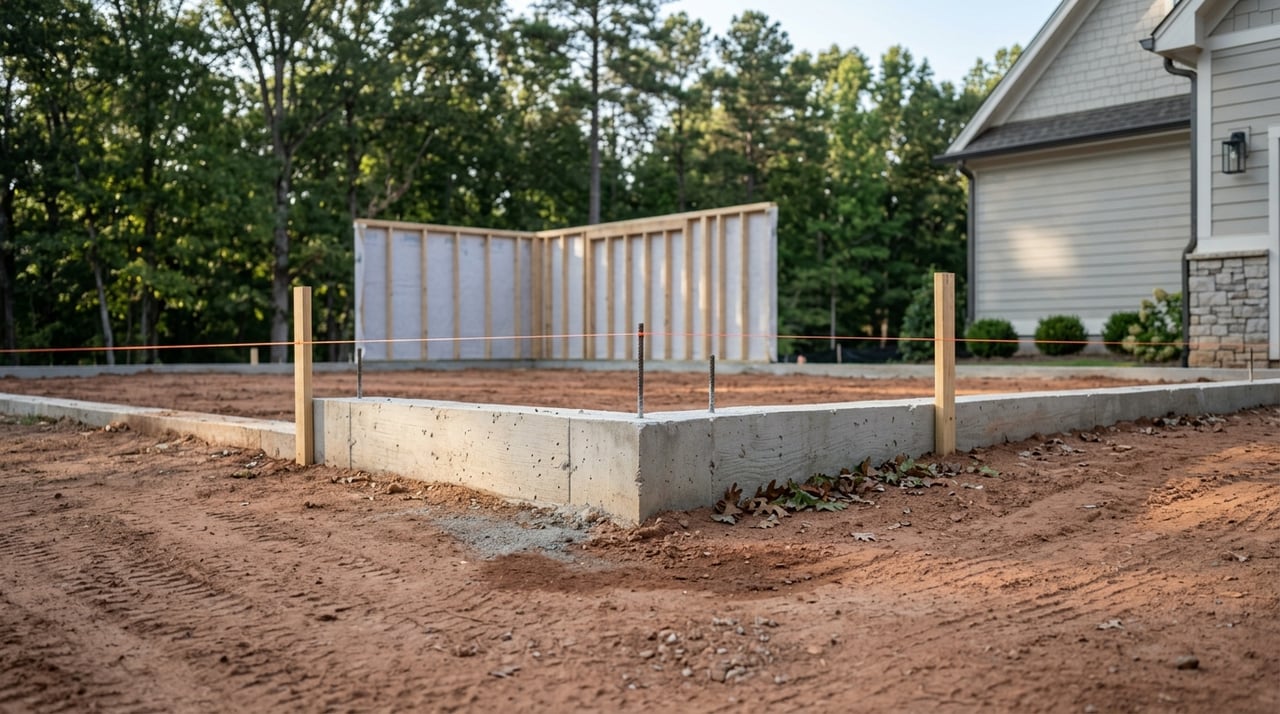
That last point is especially important in this area. The research report notes that wooded or sloped parcels can carry significant clearing, dirt work, and foundation costs. Those expenses can quickly change the economics of what looked like a strong deal on paper.
Utilities and Infrastructure Can Make or Break a Deal
In unincorporated Madison County, utility planning is a major part of feasibility. The county regulations state that public water and sewer should be extended when reasonably accessible. If on-site disposal systems are proposed, approvals may be needed from the Alabama Department of Public Health and/or ADEM, along with a phase-one report at proposed-plat submission.
The county rules also address subdivision design features such as sidewalks, underground utilities, curb and gutter in most subdivisions, and exceptions for estate-lot projects. Even estate-lot subdivisions still require sidewalks and underground utilities under the county regulations. These details are not glamorous, but they have a direct effect on timeline and budget.
For city-side parcels, site plan review can be just as important. In C-4 areas, the ordinance connects project review to access compatibility and subdivision standards. A parcel may look attractive on a map, but the real question is whether the site can support your intended layout in a way that satisfies current requirements.
Be Careful With Third-Party Parcel Data
One of the easiest mistakes buyers make is trusting a brokerage feed or parcel website as the final answer. The research report gives a useful example for Cove Commons Drive, where one commercial listing record showed C-4 zoning while another parcel record showed AE.
That kind of conflict is exactly why official verification matters. If you are evaluating land in Big Cove Commons, treat outside databases as a starting point only. Confirm zoning, permitted use, and approval requirements directly through the appropriate public sources before you commit.
A Smart Strategy for Big Cove Buyers
If you are serious about land or new construction here, the best approach is simple: think like a buyer, but investigate like a developer. Start with jurisdiction and zoning. Then confirm utilities, access, sitework needs, and any approvals still required.
Big Cove Commons can offer real opportunity, especially for buyers considering commercial, office, mixed-use, or strategically located development parcels. The broader Big Cove area also offers paths for custom homes, larger acreage plays, and nearby new-construction communities. The key is understanding that this is not one uniform submarket. Each parcel tells its own story.
When you want experienced guidance on Huntsville-area land, custom-home opportunities, and development-oriented property decisions, Donna Burns offers the local insight and high-touch representation that can help you move forward with more clarity and confidence.
FAQs
What makes Big Cove Commons different from other Big Cove land opportunities?
- Big Cove Commons appears to function more like a commercial or mixed-use corridor, while other nearby parcels may be better suited for estate lots, small subdivisions, or custom-home construction.
What should you verify before buying land in Big Cove Commons?
- You should confirm jurisdiction, zoning, permitted use, utilities, road access, sitework needs, and whether any site plan, subdivision, or rezoning approvals are still required.
Why does jurisdiction matter for a Big Cove Commons parcel?
- Jurisdiction matters because parcels inside Huntsville follow city zoning and site plan processes, while unincorporated Madison County parcels follow county subdivision regulations and infrastructure requirements.
Can a C-4 parcel in Big Cove Commons be used for more than retail?
- Yes, the C-4 Highway Business District can allow uses such as retail, offices, hotels, automotive uses, and certain multifamily projects, but the exact allowed use and review path must be confirmed for the specific parcel.
Why is sitework such an important factor for Big Cove land purchases?
- Sitework is important because wooded or sloped parcels may require added clearing, grading, drainage, and foundation work, which can significantly affect your total project cost.
Are third-party land listings reliable for zoning in Big Cove Commons?
- They can be helpful as a starting point, but they should not be treated as final because the research report shows conflicting zoning labels on third-party records for Cove Commons Drive parcels.