What if your morning coffee came with a view of ducks gliding across the lagoon at Big Spring Park, and your dinner plans were a five-minute walk away? If you are curious about a more urban rhythm in Huntsville, downtown offers a compact, lively hub that feels different from suburban life. You want convenience, character, and a realistic picture of what the trade-offs look like day to day. This guide walks you through how downtown living actually works, from getting around and running errands to choosing the right condo or loft for your lifestyle. Let’s dive in.
What “Downtown Huntsville” Means
Downtown Huntsville centers on Big Spring Park and the blocks that radiate from it along Church, Jefferson, and Monte Sano corridors. The core is compact and easy to navigate on foot, with parks, restaurants, cultural venues, and offices in close proximity.
You will also hear nearby areas mentioned in the same breath as downtown. Adjacent neighborhoods like Twickenham and Five Points, along with the medical district, give you a blend of historic streets and residential options within a short drive or walk of the core. Many residents combine time in the park with quick trips to these nearby districts.
Walkability and Getting Around
Daily walkability
Downtown is the most walkable part of Huntsville. Many restaurants, cafés, and cultural attractions sit within a short radius of Big Spring Park. That said, walkability can shift block by block. You will find stretches of surface parking and some auto-oriented corners mixed with older buildings and new infill. A quick stroll at different times of day helps you gauge the feel you prefer.
Driving and parking
Driving remains common, even for downtown residents. Many buildings include surface lots or structured parking, and some streets use meters in core blocks. Policies can differ by block and time of day, so it pays to learn where and when enforcement applies. If you entertain often, confirm guest parking options before you choose a building.
Transit and bikes
Public buses connect downtown to other parts of the city, but service is not as frequent as larger metros. If a bus commute matters to you, review current routes and schedules to see if the timing fits. Biking has grown in popularity as new lanes and multiuse paths expand. Because continuity varies, ask about secure bike storage and access points when you tour condos or lofts.
Commuting beyond downtown
If you work in the core, your commute may be a short walk. Many residents also commute to regional employers such as Redstone Arsenal or Cummings Research Park. Travel time depends on your exact route and traffic. Test drive during your typical commute window to set accurate expectations.
Food, Culture, and Green Space
Big Spring Park and nearby green space
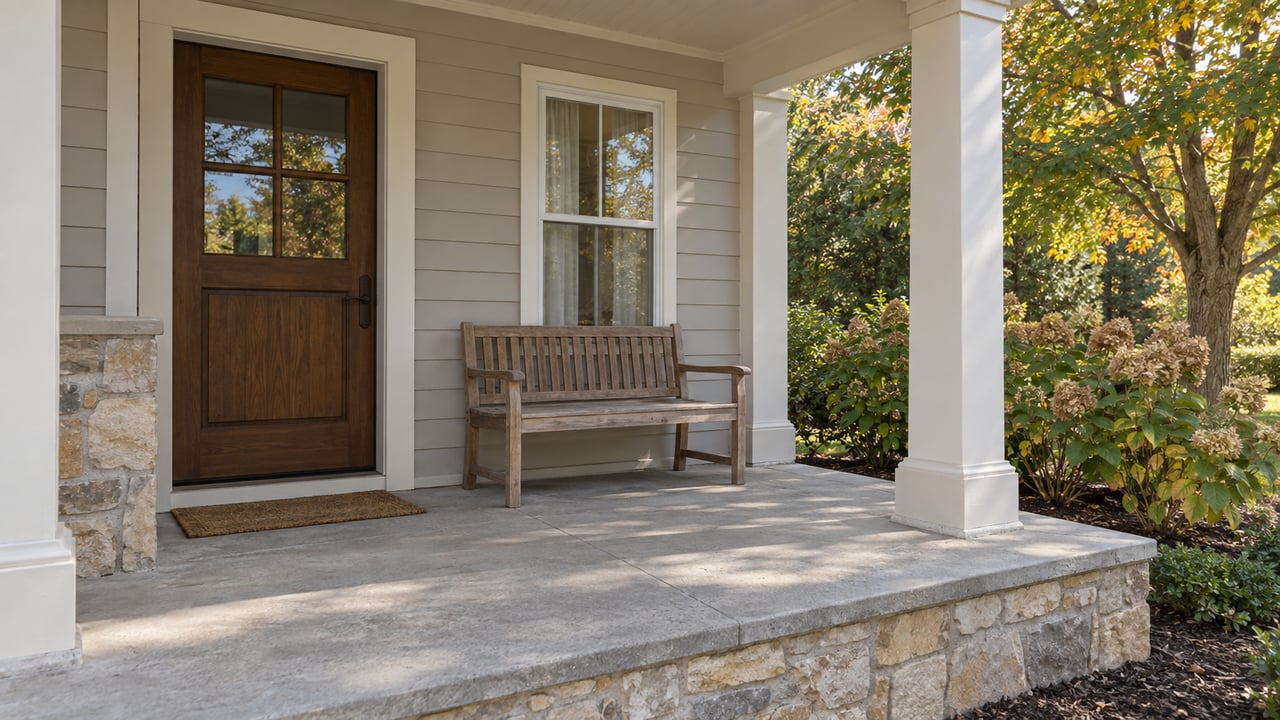
Big Spring Park is the heartbeat of downtown. You can take a lunch break on a park bench, loop the walking paths, or enjoy seasonal events that draw neighbors together. Smaller parks and river access nearby give you additional options for fresh air without leaving the core.
Arts, music, and events
The Huntsville Museum of Art anchors a cluster of cultural stops within walking distance. Larger performances and touring acts often land at the Von Braun Center, while smaller venues around downtown host live music and community theater. You will notice a livelier atmosphere on event nights and weekends.
Dining, coffee, and nightlife
You can start your day with local coffee, meet a friend for brunch, and try a new dinner spot without getting in the car. The scene mixes locally owned eateries with a handful of regional names. Nightlife tends to cluster on a few streets and in mixed-use destinations. Expect later hours on event days.
Everyday errands and healthcare
Downtown includes small markets and specialty retailers for quick errands. For a full grocery run or big-box needs, plan a short drive to adjacent neighborhoods. Fitness studios, salons, and services are sprinkled throughout the core. Healthcare access is convenient with Huntsville Hospital’s downtown campus and nearby medical offices.
Housing Options and What to Expect
Lofts in historic conversions
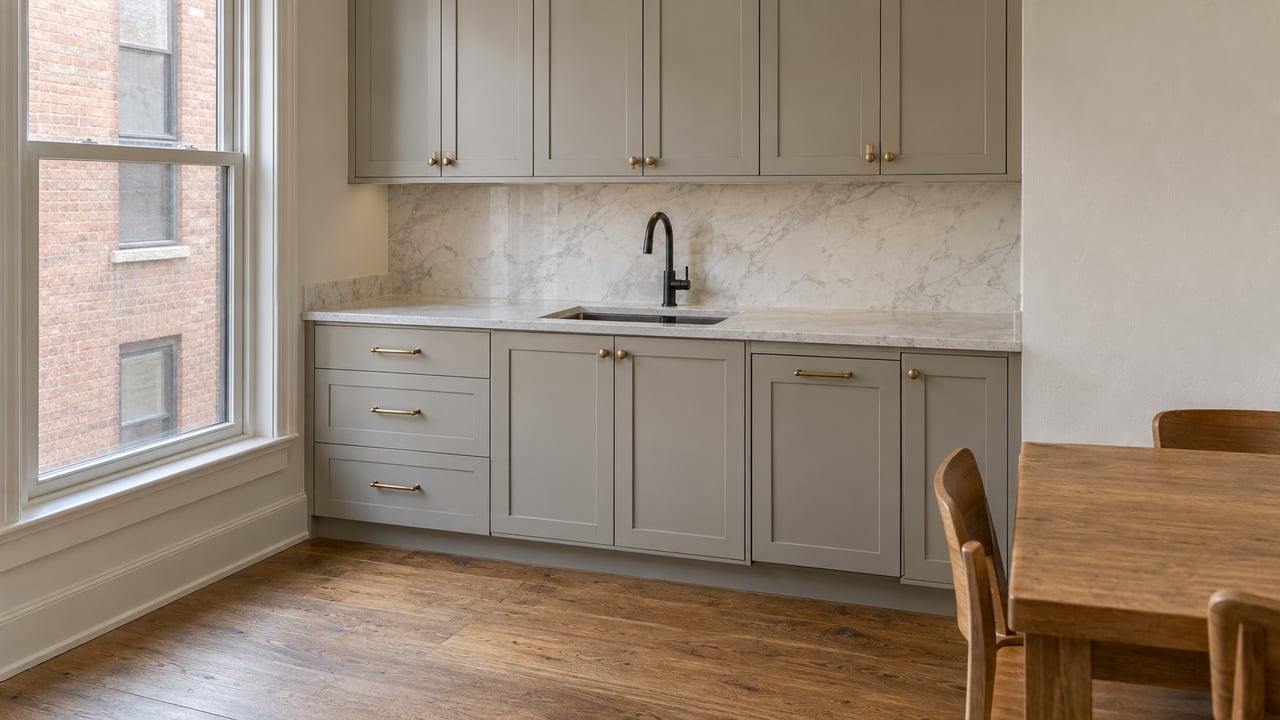
Converted commercial and warehouse buildings offer loft-style living with open layouts and character details. You might see exposed brick, tall windows, and beam ceilings. These buildings can vary in amenities, so confirm details like elevators, accessibility, and climate systems if those are important to you.
Modern condos and mixed-use buildings
Newer mid-rise condos and mixed-use projects deliver modern finishes and building amenities. Secure entry, elevators, fitness rooms, and structured parking are common. Many sit over ground-floor retail, which can simplify daily life. Review how residential floors are separated from active retail for privacy and noise control.
Apartments and walk-up options
You will find low- and mid-rise apartments with contemporary amenities alongside smaller walk-ups. Lease terms, pet policies, and parking packages vary by property. If you plan to buy later, renting downtown first can help you refine your preferences by block and building type.
Historic homes near the core
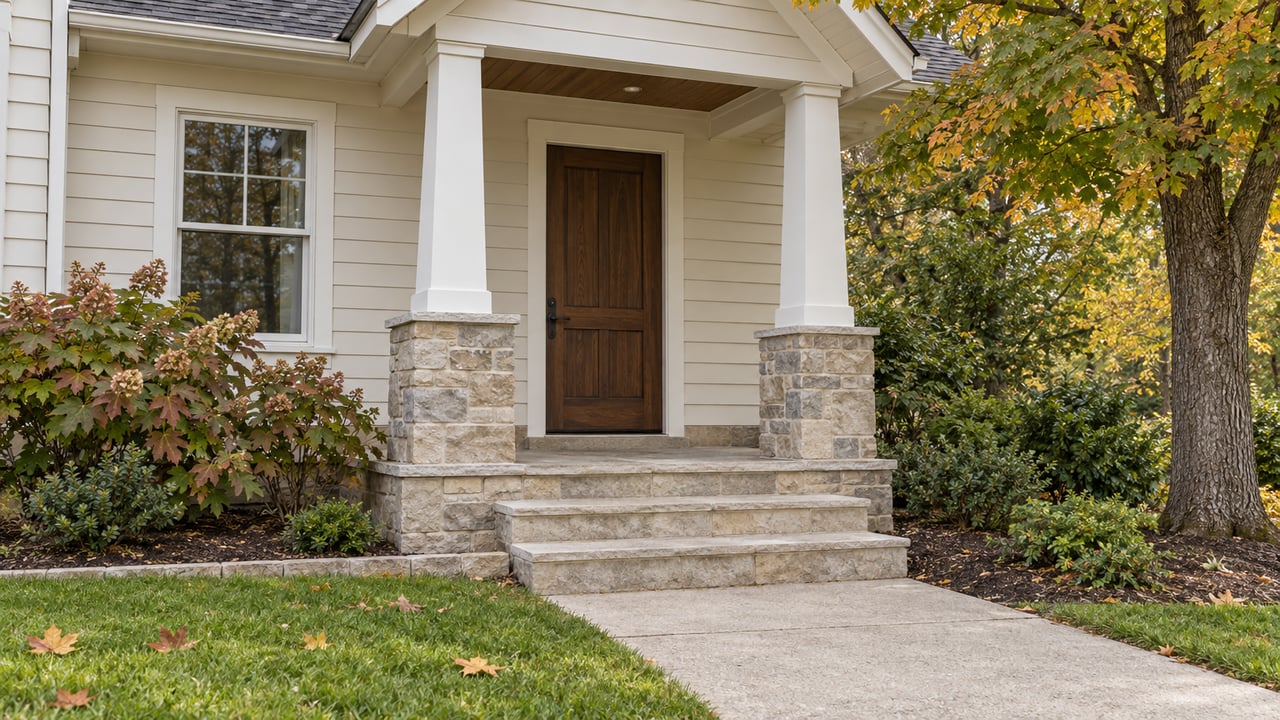
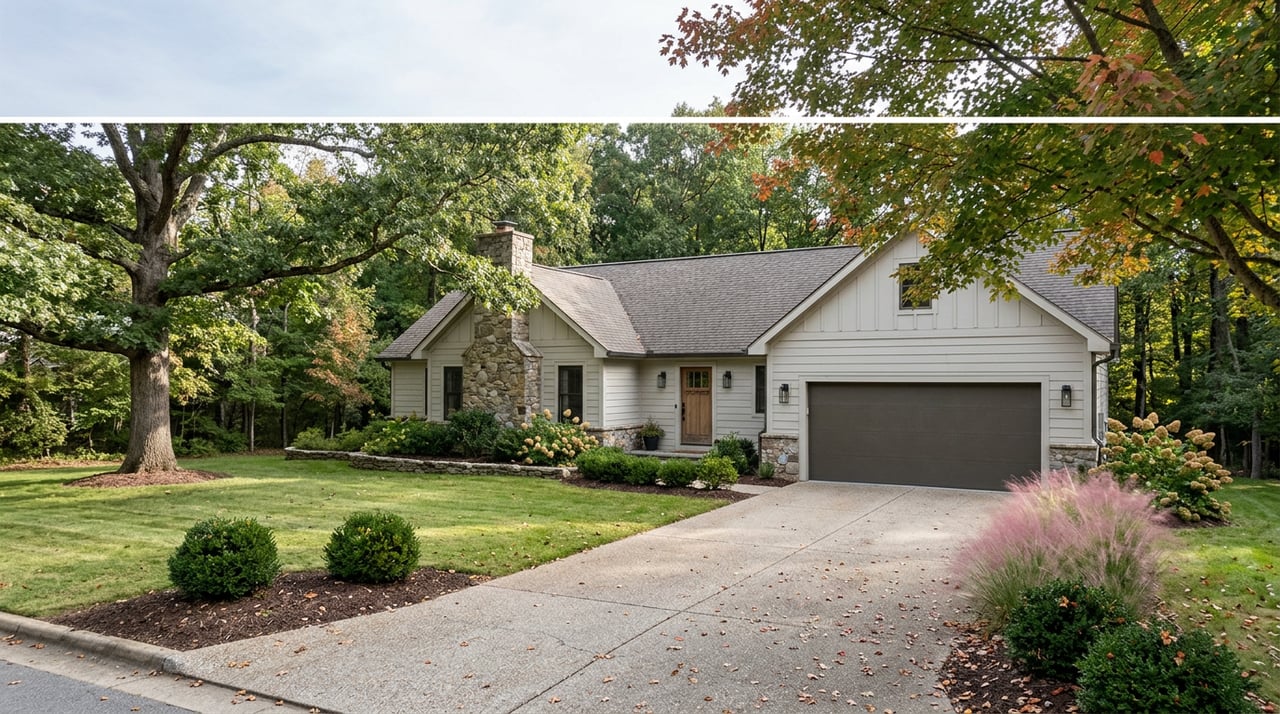
If you want a standalone home while staying close to downtown, nearby historic neighborhoods like Twickenham and Five Points offer tree-lined streets and architectural variety. You get quick access to the core with a quieter residential feel.
Key considerations for buyers
- HOA and association details. Monthly fees often cover building maintenance, exterior repairs, common-area insurance, amenity upkeep, and sometimes utilities or parking. Request recent budgets, reserve studies, and rules on rentals and pets.
- Noise and privacy. Units near active streets or above dining and nightlife can have more evening energy. Ask about window glazing, insulation, and unit orientation.
- Parking and storage. Older conversions may have limited assigned parking and storage. Newer buildings often include structured parking and dedicated spaces. Confirm guest policies.
- Accessibility. Not all conversions include elevators or accessible features. Verify these details in person if needed.
Lifestyle Fit Checklist
Use this quick check to see how downtown lines up with your routine:
- Do you plan to walk to coffee, dinner, or shows several times a week?
- Is covered or assigned parking a must-have for you or your guests?
- Are you comfortable with condo rules and association governance?
- What is your noise tolerance on event nights or weekends?
- Do building pet policies align with your plans?
- Does your job require regular trips to Redstone Arsenal or Cummings Research Park, and if so, will a car-based commute work for you?
- Do you need to review school assignment zones for your address or consider private options nearby?
Costs Beyond the Purchase Price
Downtown ownership can include recurring costs that are easy to overlook. HOA fees cover shared expenses and vary by building. Parking fees may apply for additional spaces or guest access. Utilities and insurance deserve a close look, especially in older conversions that can have different efficiency profiles. For buildings with age or complex systems, ask about any special assessments and the history of capital projects.
Due Diligence for Peace of Mind
Before you write an offer, gather the details that matter over the long run:
- Most recent HOA minutes, reserve study, and current budget
- Building maintenance history and any pending litigation
- Pest, roof, and structural inspection reports, with added focus on conversions
- Soundproofing and insulation details or recent upgrades
- Parking assignments, storage availability, and guest parking rules
- Zoning notes and planned developments nearby that could affect noise, parking, or views
A Day in the Life Downtown
Start with a morning jog around Big Spring Park, then grab a latte on your walk back. Break up the workday with a quick museum visit or a bench by the water. Evening plans are simple. You can try a new restaurant, catch a show, or relax on your balcony while the city hums below. On event nights and weekends, expect more activity and plan accordingly for parking or noise.
Who Thrives Downtown
Downtown tends to fit people who value convenience, culture, and lower-maintenance living. If you want to trade yard work for walkable amenities and building services, the condo and loft mix is appealing. If you prefer a quieter street with quick access to the core, nearby historic neighborhoods offer another path.
Households with regular commutes to regional employers often balance a car-based commute with the benefits of downtown evenings and weekends. If schools matter for your plans, review assignment zones for specific addresses and explore community events and parks that serve residents of all ages.
What’s Next for Downtown
The core has seen steady redevelopment, adaptive reuse, and streetscape upgrades over the past decade. New mixed-use projects and public-space investments continue to shape the area. Event calendars change seasonally, and project timelines evolve. If you want the latest on planned improvements or upcoming festivals, check current city and downtown organization updates as you plan.
Ready to Explore in Person
If downtown living is on your radar, a building-by-building tour will clarify the right fit. You can compare loft character against modern amenities, learn how parking works, and feel the difference between blocks. For tailored guidance and confidential representation, connect with Donna Burns to preview options and map out next steps.
FAQs
How walkable is Downtown Huntsville for daily errands?
- Many dining and cultural destinations sit within a short radius of Big Spring Park, while full grocery runs typically require a short drive to adjacent neighborhoods.
What grocery options will I have near the core?
- Downtown offers small markets and specialty retailers for quick items, with full-service supermarkets a short drive away in nearby districts.
How does parking work for residents and guests downtown?
- Buildings vary between assigned surface spaces and structured parking, and street parking can be metered in core blocks, so confirm resident and guest policies for your building.
Is downtown noisy at night compared with the suburbs?
- Activity increases around restaurants, bars, and event venues, particularly on weekends and show nights; unit orientation, window quality, and building materials influence interior noise.
What do condo HOA fees usually cover downtown?
- Fees commonly fund common-area maintenance, exterior repairs, building insurance, amenities, and sometimes utilities or parking; review budgets, reserve studies, and rules before you buy.
Are there accessible units in older loft conversions?
- Some conversions include elevators and accessible features, while others do not; verify accessibility in person and confirm details with the association.
How practical is a downtown home if I work at Redstone Arsenal?
- Many residents commute by car to regional employers; test your route during typical hours to gauge drive time and confirm that parking and schedules fit your routine.