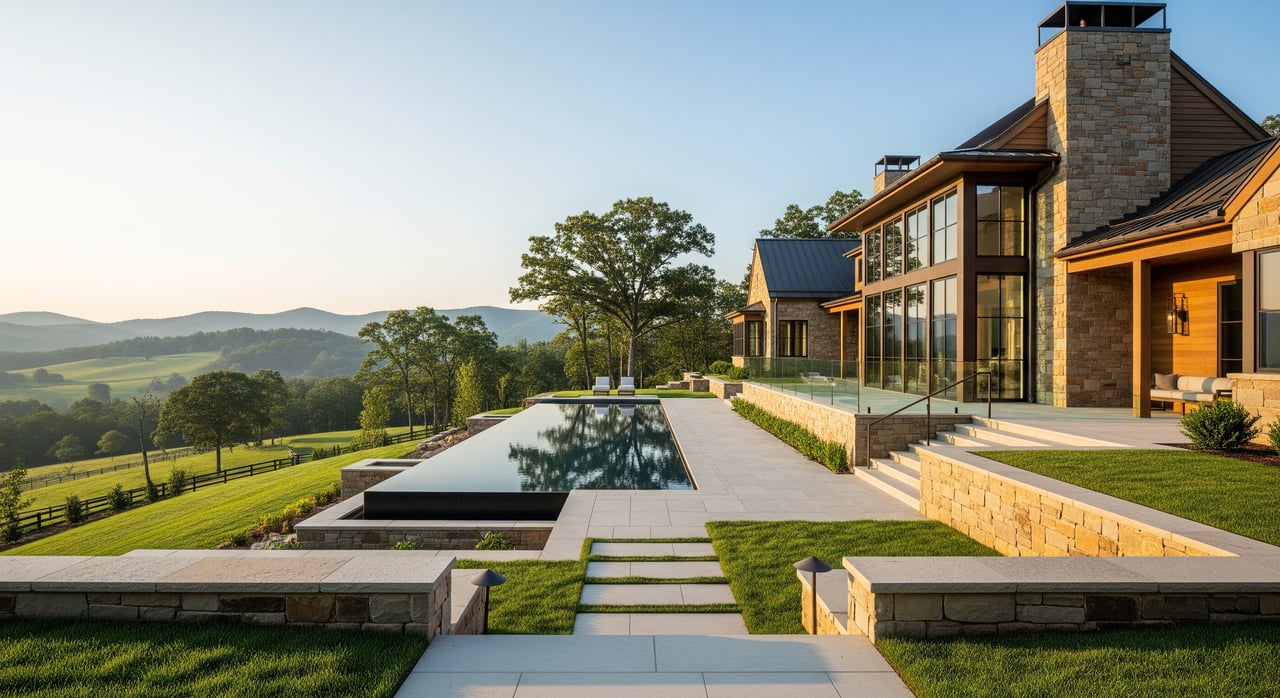
Pricing a Green Mountain luxury home is not about guessing a price per square foot. It is about proving value with the right evidence and presenting that value so buyers feel it the moment they see your listing. If you are weighing your view, elevation, and custom finishes, you are on the right track. In this guide, you will learn a precise, step-by-step approach that helps you set the right price and launch strong in Madison. Let’s dive in.
Why precision pricing matters
Green Mountain is a luxury pocket with unique variables that shift value quickly. Two homes with similar square footage can sell very differently based on view corridors, elevation, and finish quality. Small errors in these areas can lead to overpricing or leaving money on the table. A clear plan gives you confidence and protects your net.
Value drivers to measure first
View corridors explained
A view corridor is what you see from key spaces, like the great room, primary suite, and main deck. Direction, vertical angle, and distance all matter. Unobstructed panoramic views of valleys or ridgelines often command a meaningful premium. Tree-top or protected green-space views still add value, but less. Obstructed or seasonal-only views usually add little.
How to document your view:
- Capture a photo series from primary rooms and outdoor living areas. Note compass direction and height.
- Use drone or oblique photos to show sightlines and nearby development.
- Tier your view consistently across comps. Examples: unobstructed panoramic, elevated partial panorama, private treed, neighborhood-facing.
Valuation tip: Strong panoramic views often show premiums in the single-digit to low double-digit percentage range. Prove it with paired sales that match your elevation and finish tier.
Elevation and topography
Elevation supports privacy, status, and better sightlines. Higher lots on Green Mountain often show stronger buyer appeal when combined with quality views and privacy. Slope affects usable yard, pool placement, and landscaping costs. Steeper sites may need more foundation and drainage solutions.
How to document elevation:
- Pull elevation readings and topography from reliable mapping tools and surveys.
- Note setbacks, retaining walls, erosion or drainage easements, and any restrictions that affect future improvements.
- Check flood risk status using official flood data. Higher elevation often reduces risk, which can support buyer comfort.
Custom finish quality
Finish level is a major driver of price per square foot. A practical rubric keeps you objective:
- Builder or upgraded
- Premium custom
- Bespoke high-end
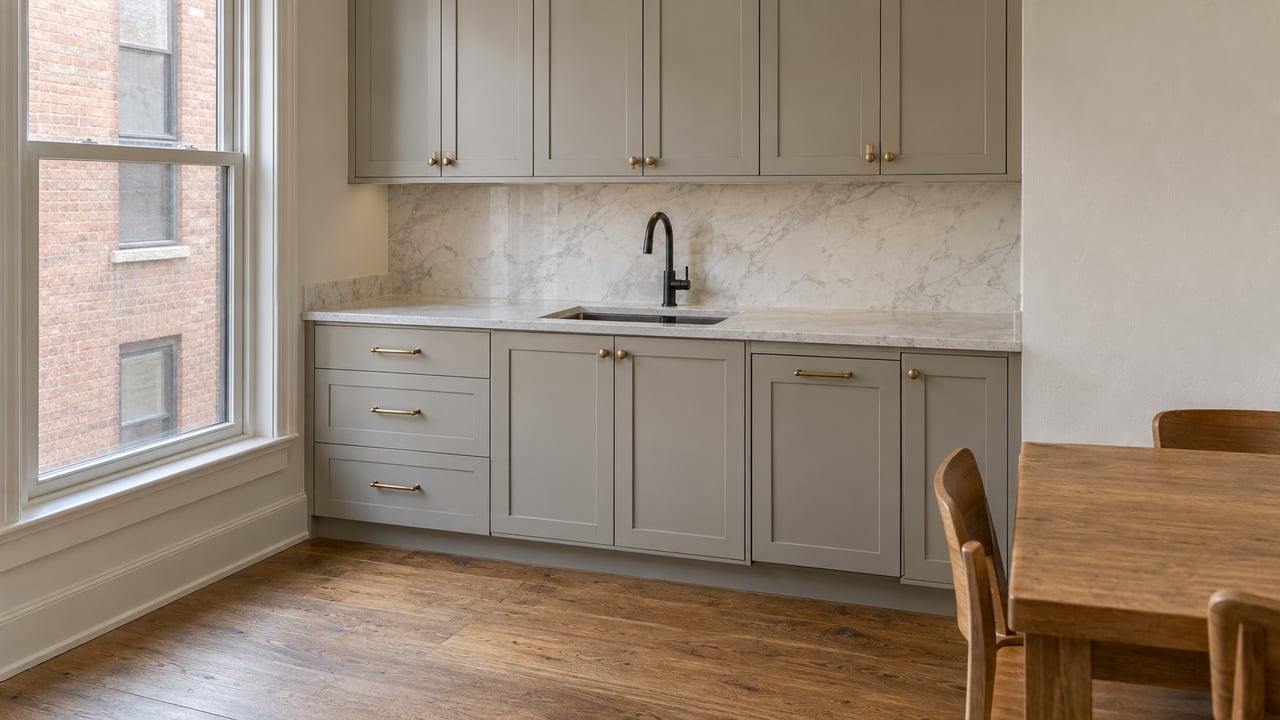
Focus on high-impact areas: kitchens, primary baths, millwork, windows and doors, home systems, lighting, and outdoor living finishes. Not every dollar spent returns dollar-for-dollar. Kitchens and primary baths typically show the strongest cost recovery. Use spec sheets that name brands, installation dates, and warranties to substantiate value.
Micro comps that matter
In Green Mountain, broad neighborhood averages are not enough. You need a tight comp set that mirrors your view and elevation tier, finish level, and usable square footage.
How to select comps:
- Stay as close as possible, often the same street or hillside cluster.
- Use a recent time window. Aim for the last 3 to 12 months, tighter if the market is moving fast.
- Compare on net living area and function. Note basements, bonus rooms, and outdoor living.
Adjustments to consider:
- Square footage and room count
- View tier and direction
- Elevation and slope
- Finish tier and notable upgrades
- Lot privacy, amenities like a pool, garage capacity, age, and condition
When sample size is small, use paired-sales logic and reconcile with cost-based checks. For strong panoramic views, single-digit to low double-digit premiums are common in many markets, but always calibrate to the latest local sales.
Pre-market valuation workflow
Follow this practical sequence 1 to 3 weeks before launch to anchor your price with evidence:
- Inspection and punch list. Secure estimates for needed repairs so buyers see a well-cared-for home.
- Appraiser or expert pricing consult. Get a pre-list valuation from a professional who understands luxury hillside properties.
- Survey and documents. Assemble the survey, HOA or CCRs if applicable, and any certificates or permits.
- Finishes inventory. Gather spec sheets, warranties, install dates, and as-built plans. Create a clear finishes rubric.
- Title check. Confirm easements and any restrictions that could affect valuation or financing.
Presentation that protects price
Luxury buyers pay for what they can see and feel. Your launch assets should prove your home’s view, elevation, and finishes at a glance.
Key presentation moves:
- Professional staging that draws the eye to primary sightlines and outdoor spaces.
- High-end photography, including drone and twilight, with a shot list that mirrors your view documentation.
- A polished property brochure and fact sheet that highlight view tier, elevation notes, and finish specifications.
- Virtual tour and floor plans that showcase sightlines from the great room, primary suite, and main deck.
Pricing strategy and launch sequencing
Set your list price range by reconciling micro comps, paired-sales adjustments, and a replacement-cost check. Then choose a launch tactic that fits your property’s tier.
Launch options to consider:
- Broker preview and soft market. A quiet preview for top agents can build buzz and refine your positioning before a public debut.
- Broad public launch. Pair your media assets with a well-timed go-live when outdoor living shines, often spring or summer.
Monitoring plan:
- Pre-set days-on-market checkpoints, such as 21 to 30 days, to trigger small, strategic adjustments if needed.
- Collect feedback systematically. If buyers misunderstand your view or finishes, update visuals and copy immediately.
Offer and appraisal management
When offers come in, weigh price against risk. Cash terms reduce appraisal risk and timeline friction. If the buyer is financing, consider the strength of the lender, appraisal buffers, and escalation clauses.
Smart steps:
- Compare offers with a clear net sheet model that includes concessions, timelines, and likely appraisal outcomes.
- Use your documented view, elevation, and finish evidence to support value if the appraisal is tight.
- Align on a negotiation plan that protects key terms, not just price.
Seller prep: your quick checklist
Use this list to stay organized and ready for the market.
Valuation essentials:
- Micro comps within the same view and elevation tier
- View photo series with compass headings
- Elevation data, topography notes, and survey
- Full finishes inventory with brands and dates
- Repair estimates and maintenance records
- Appraiser or expert consultation notes
Presentation and launch:
- Staging plan built around primary sightlines
- Drone, interior, and twilight photography
- Floor plans and a 3D tour
- Professional spec sheet and property brochure
- Broker tour schedule and VIP outreach list
Local sensitivity and timing
Green Mountain and the broader Huntsville area can shift with employment cycles and inventory changes. Keep your comp window tight, update data just before launch, and be ready to adjust. In a small luxury sample, qualitative judgment and experienced counsel are essential.
Put it all together
When you measure view corridors, document elevation, grade your finishes, and select true micro comps, you turn pricing into a confident decision. Pair that with high-production presentation and a smart launch plan, and you position your Green Mountain listing to achieve its potential. If you want a boutique, marketing-first approach and discreet guidance from valuation through closing, connect with Donna Burns. Request a Confidential Consultation.
FAQs
How do Green Mountain views impact price?
- Strong, unobstructed panoramic views often command a meaningful premium, typically in the single-digit to low double-digit percentage range when supported by local paired-sales.
What makes a good micro comp in Madison?
- A sale on the same street or hillside cluster with a matching view and elevation tier, similar finish level, and recent closing date is the most reliable comparison.
How should I rate my finishes for pricing?
- Sort your home into builder or upgraded, premium custom, or bespoke high-end, then highlight kitchens, primary baths, systems, and millwork with brand names and dates.
Why does elevation matter for luxury buyers?
- Elevation supports privacy, stronger sightlines, and reduced flood risk in many cases, and it can improve buyer confidence when documented with reliable data.
What marketing assets best protect the list price?
- Staging that frames key views, high-end drone and twilight images, a detailed spec sheet, and a broker preview create strong first impressions and support your price.
When should I adjust the price after launch?
- If you miss viable offers within about 21 to 30 days and feedback points to price resistance rather than fixable presentation gaps, consider a measured adjustment.